By the McCullough Family
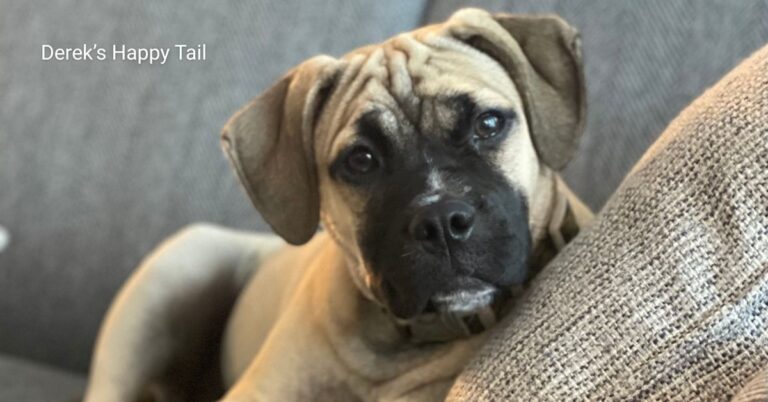
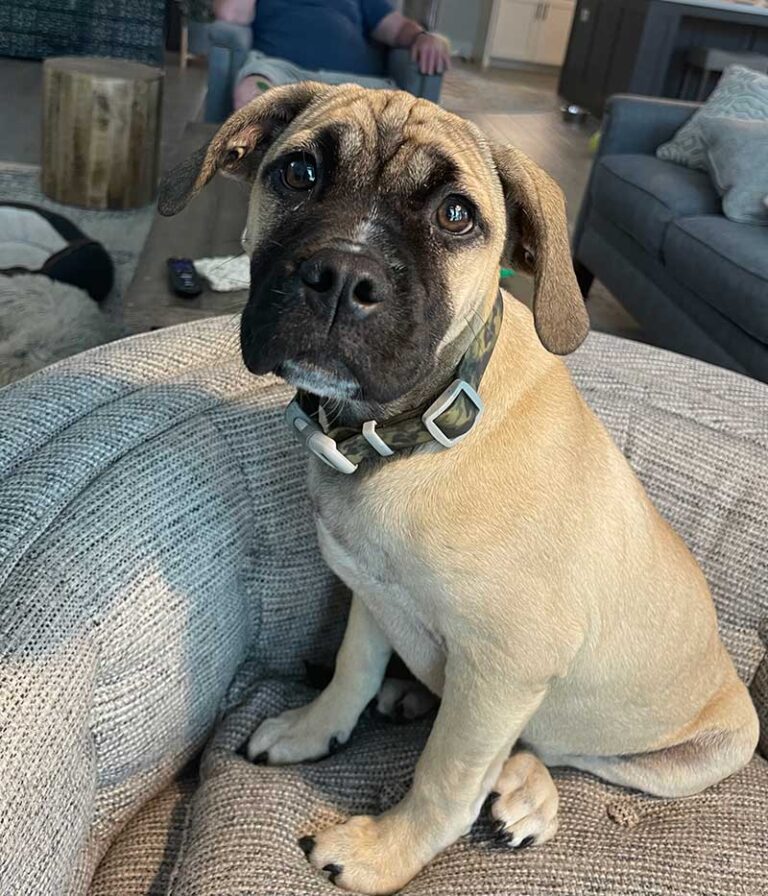
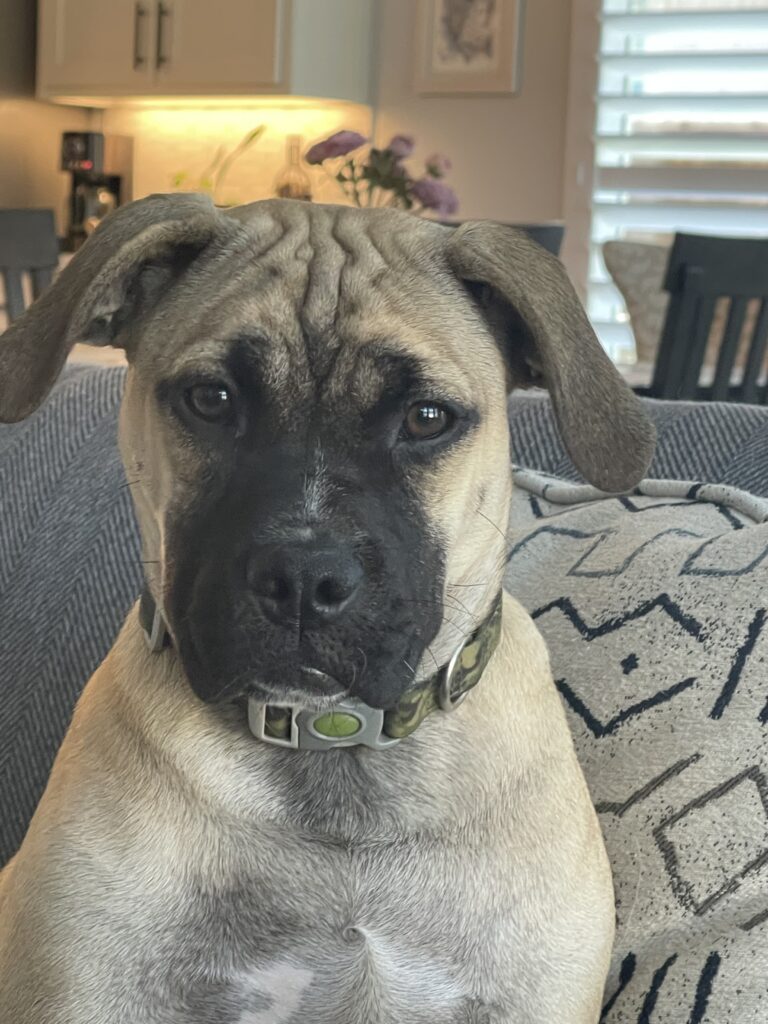
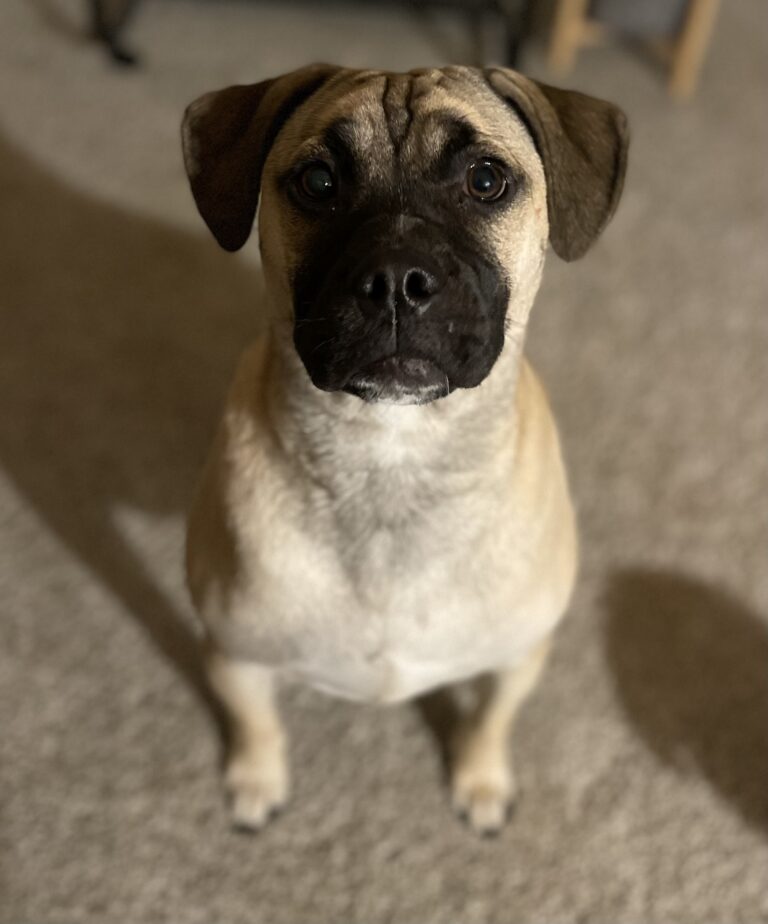
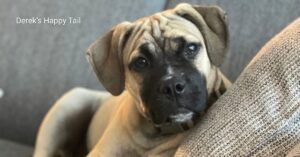
When 13-week-old Derek arrived at the Little Elm Animal Shelter, he was believed to be a Bullmastiff-mix puppy. With his sturdy little body, dark mask and adorably wrinkled face, it seemed like a reasonable guess.
One of the important ways Friends of Little Elm Animal Support helps shelter animals is by finding rescue organizations with the experience and resources to care for them. When a rescue agrees to accept a Little Elm shelter dog or cat, FLEAS may provide a financial pledge to help offset veterinary and foster-care expenses. We also help arrange and provide transportation—sometimes taking an animal hundreds of miles to reach safety.
That was the plan for Derek.
A Bullmastiff rescue was prepared to accept him, and FLEAS arranged to transport him to a foster home in Arkansas. Before making the trip, Derek came to stay in our home.
Within hours, however, something was clearly wrong.
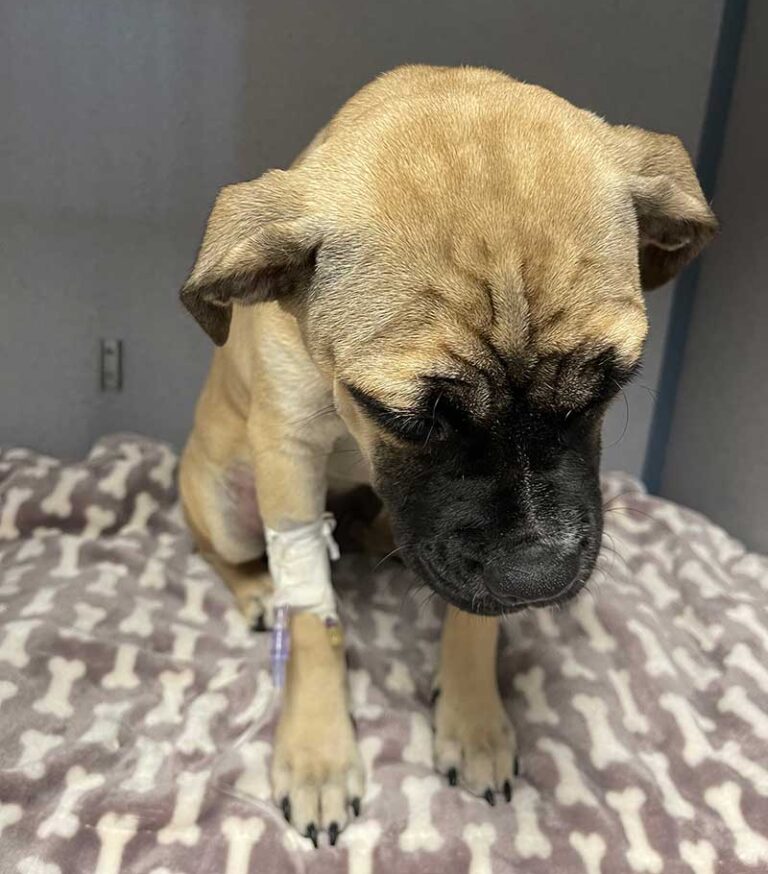
Derek refused to eat and began vomiting. Knowing how quickly a young puppy’s condition can deteriorate, we immediately took him to urgent veterinary care. Testing confirmed what we feared: Derek had parvovirus, a highly contagious and potentially deadly disease that is especially dangerous for young puppies.
Suddenly, Derek’s carefully arranged rescue plan came to a halt.
He had already been pulled from the Little Elm Animal Shelter, but he had not yet reached the Bullmastiff rescue that was waiting for him. He was caught in between—no longer officially a shelter dog but not yet fully under the care of a rescue organization.
Technically, Derek was in limbo. But to FLEAS, there was never any question about what needed to happen.
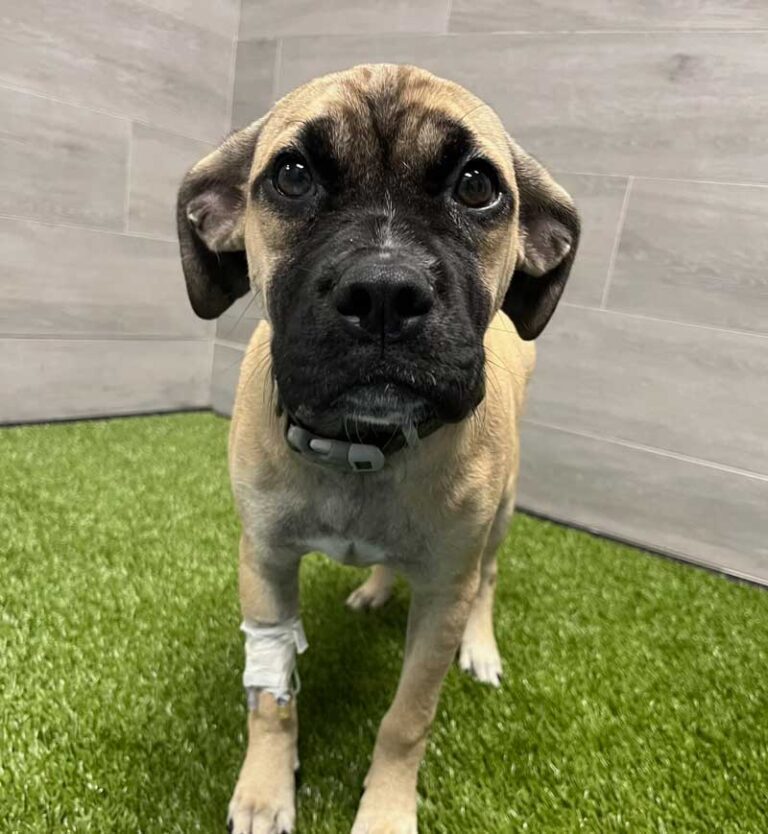
We accepted responsibility for Derek and authorized the lifesaving treatment he needed. Our supporters rallied around him, donating and sharing his story so that FLEAS could cover his hospitalization, isolation, supportive care and medication. His veterinary expenses eventually totaled more than $4,400.
Derek also received the Canine Parvovirus Monoclonal Antibody, an important advancement in the treatment of this devastating disease. Combined with intensive supportive care, it gave his little body additional help in fighting the virus.
While Derek was hospitalized, we received an unexpected telephone call from the shelter. His mother and littermates had just been surrendered.
Imagine our surprise when we learned that Derek’s mother was a white pit bull—and that his littermates looked exactly like him. Then came the final twist in the mystery of Derek’s family tree: the person surrendering the dogs told the shelter that Derek’s father was a purebred Chinese Pug!
Our supposed Bullmastiff puppy was actually a pit bull–Pug mix.
Now we had another difficult call to make. We had to tell the Bullmastiff rescue that its prospective puppy was not, in fact, a Bullmastiff. Because breed-specific rescues must remain focused on the animals they were established to serve, Derek could no longer join their program.
That left two possible choices: return him to the shelter or allow him to recover in our home. Because parvo is extremely contagious, the shelter could not safely take him back while he was infected.
In reality, there was only one choice.
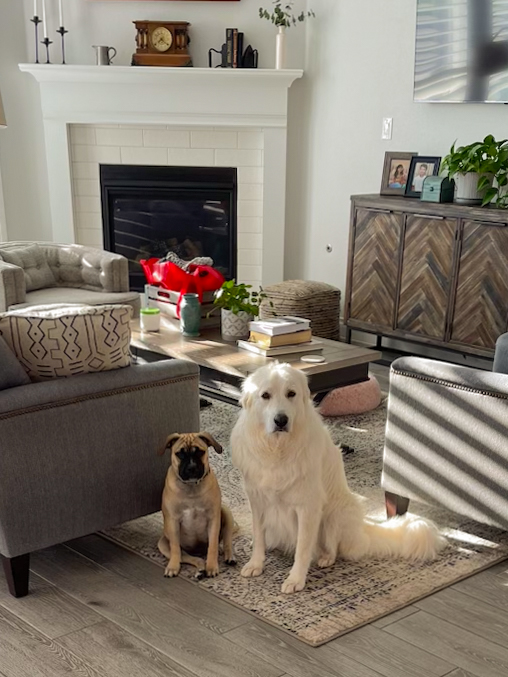
Derek came home with us to convalesce.
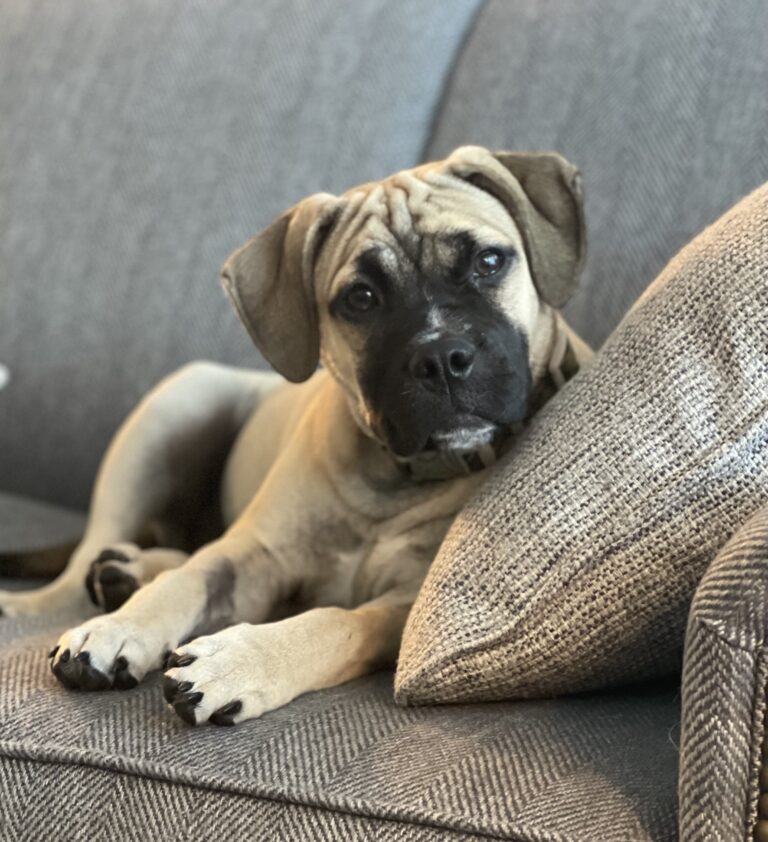
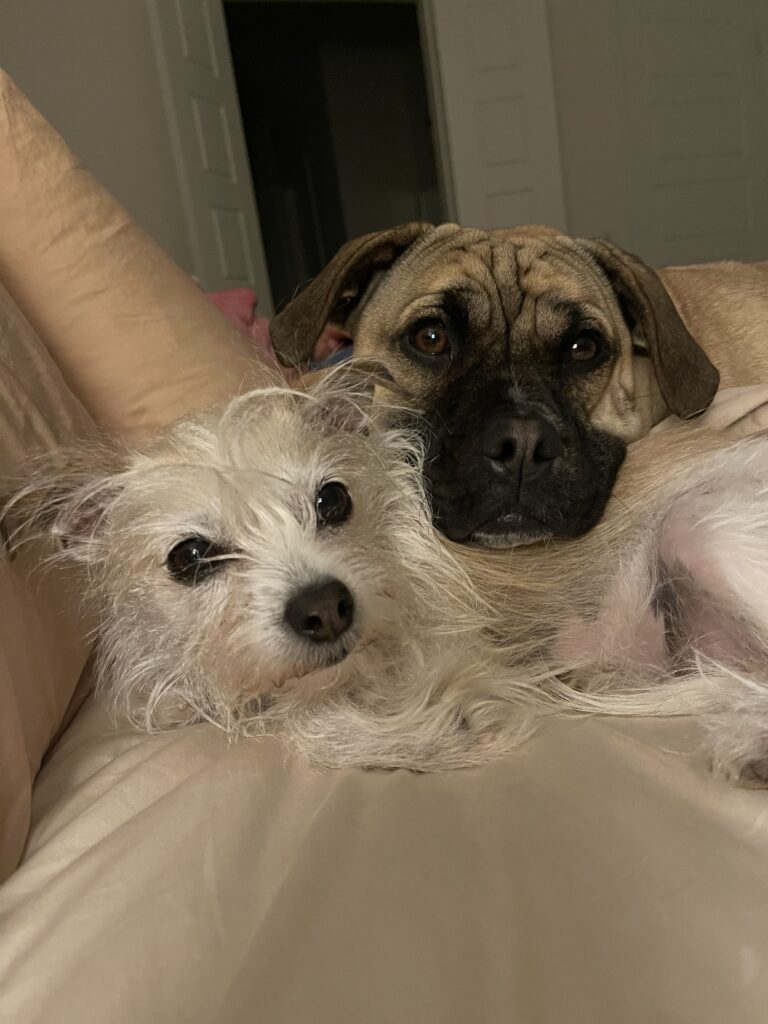
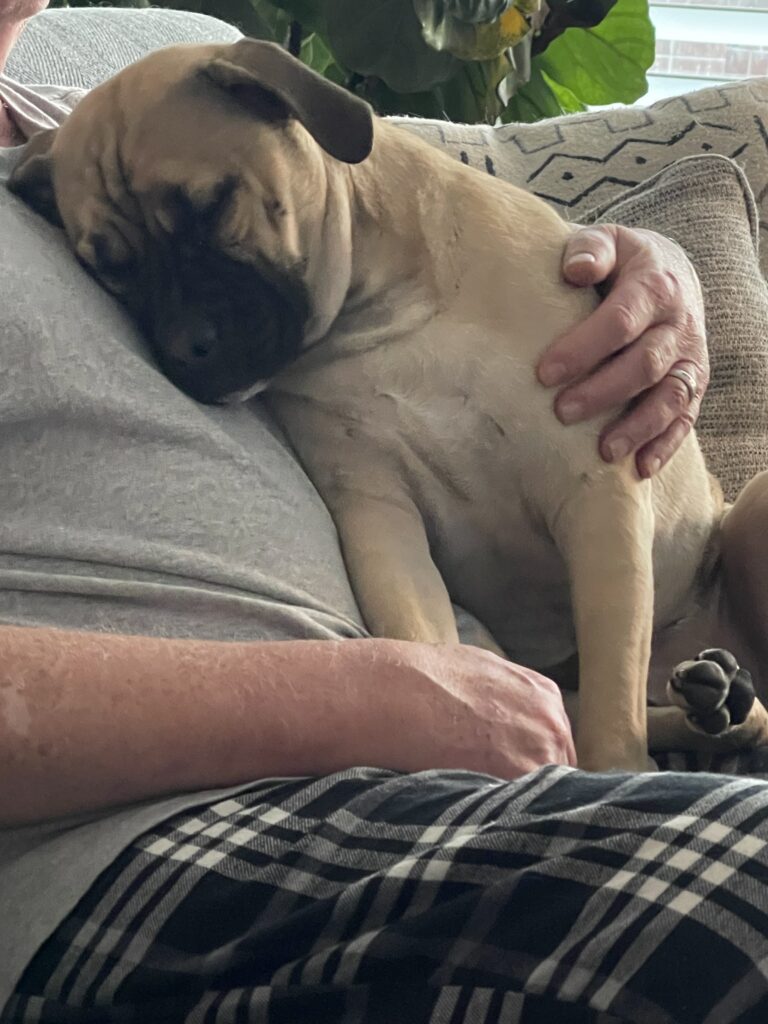
As he recovered, the brave little puppy who had fought so hard to survive began revealing his true personality. He was funny, affectionate, wiggly, curious and completely irresistible. Before long, it became clear that Derek had not simply come to our house to recover.
He had come home.
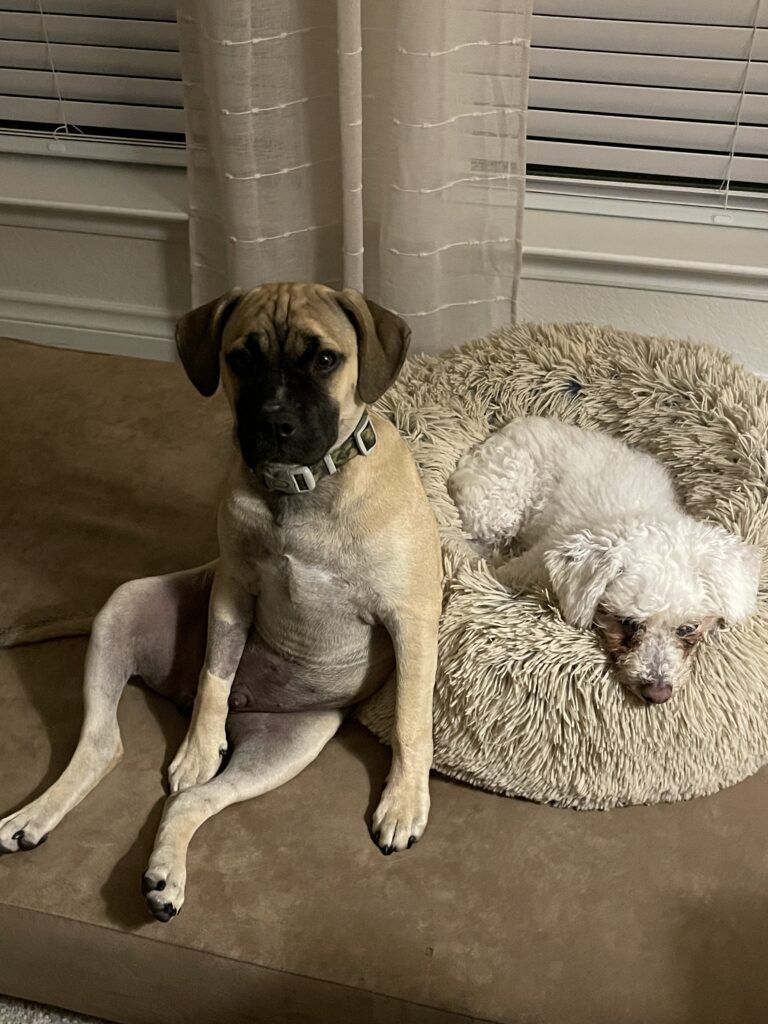
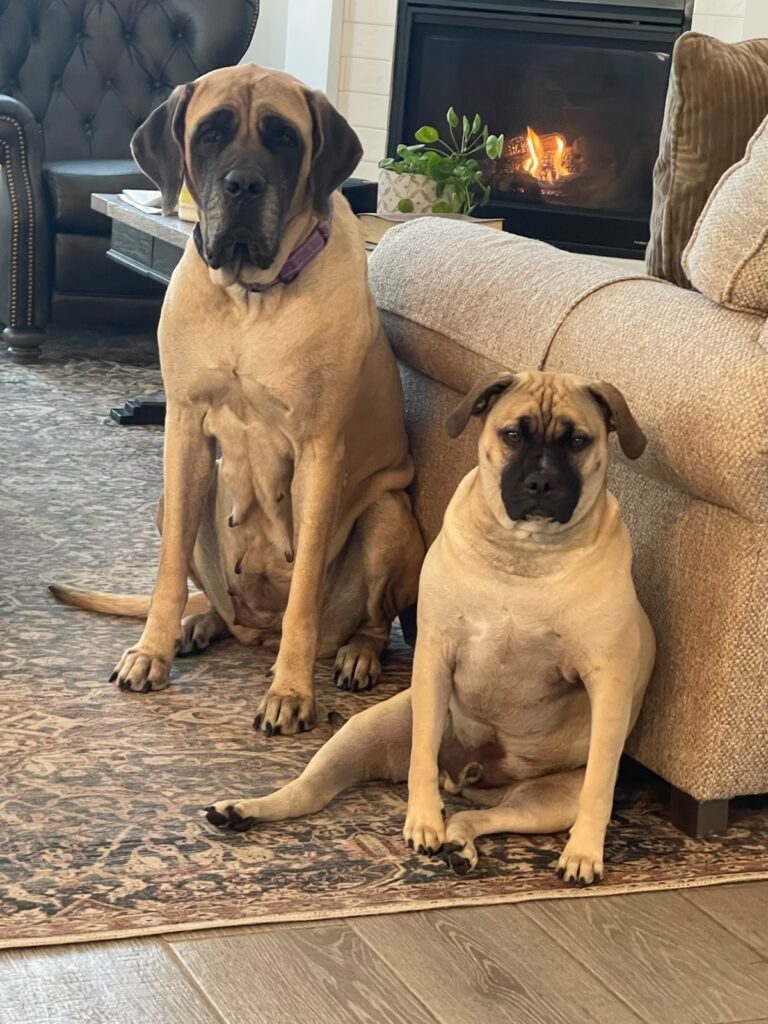
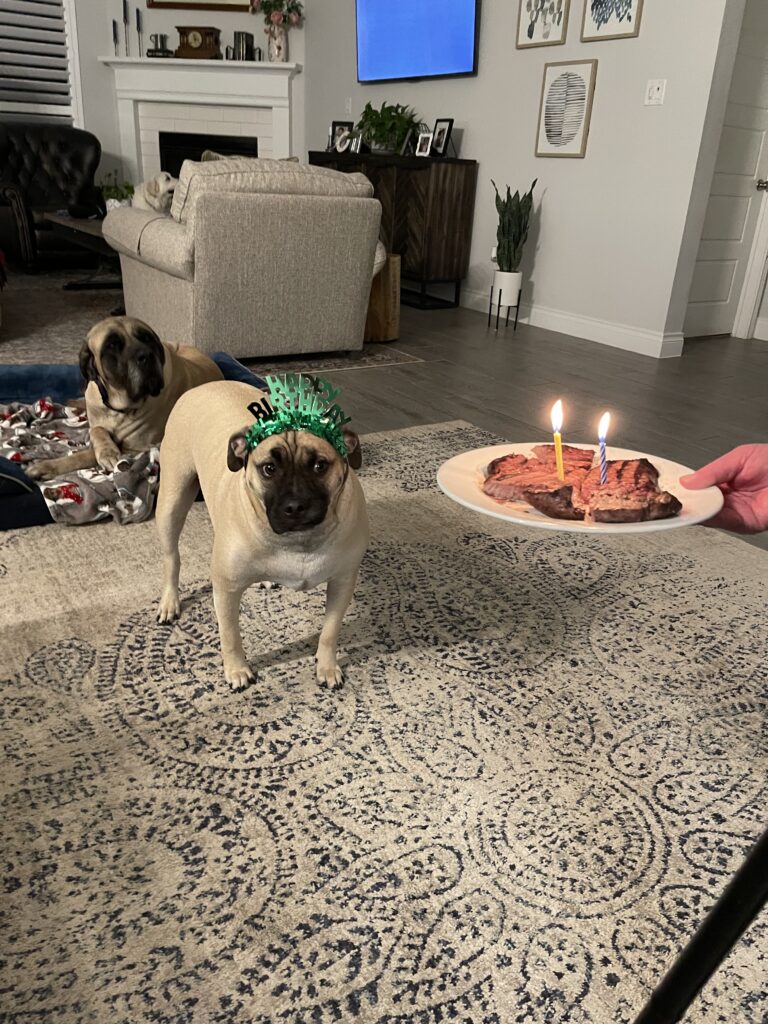
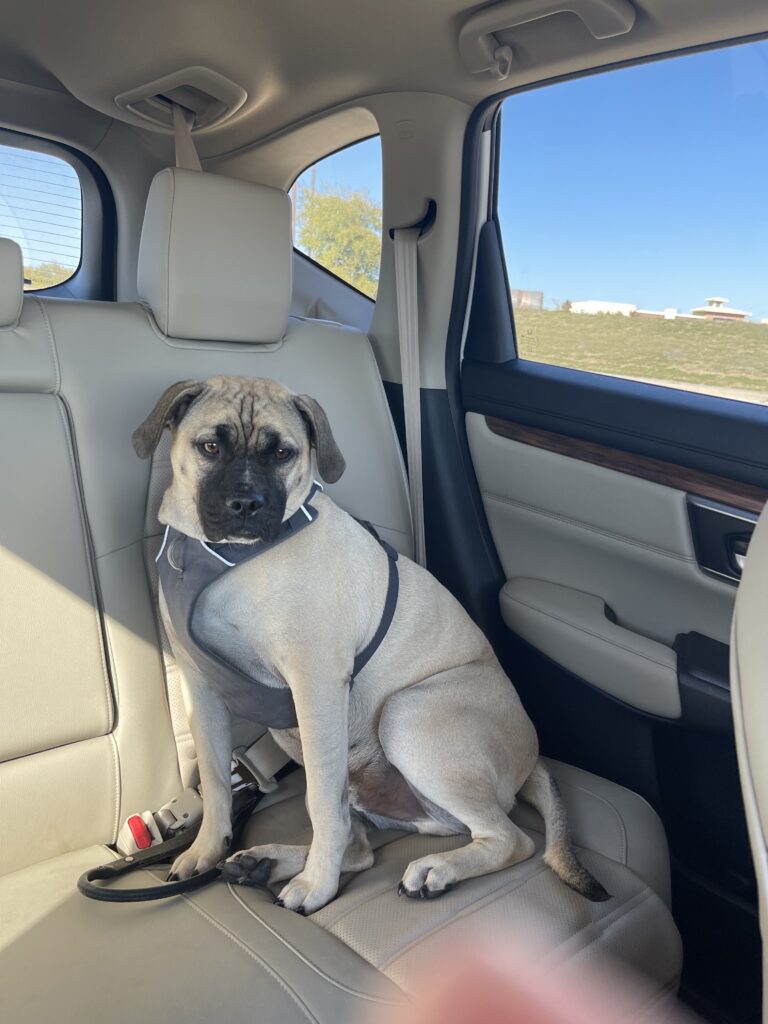
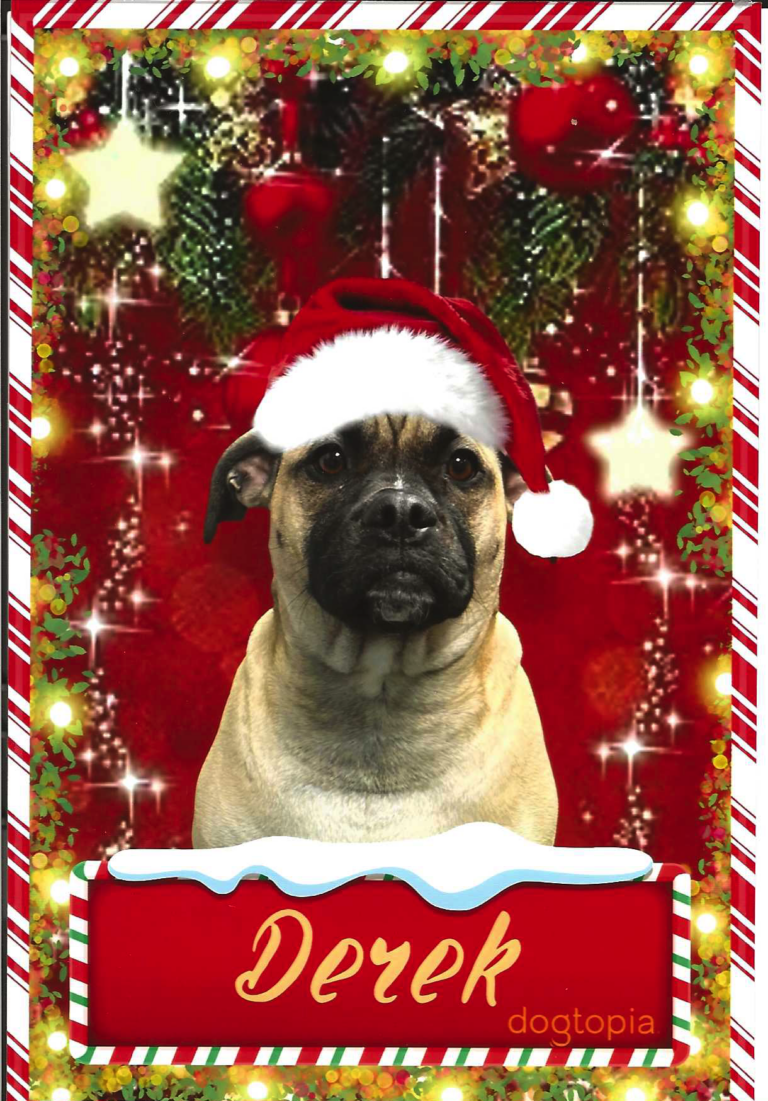
Today, Derek is a cherished member of our family and a star pupil at Dogtopia. His unusual appearance makes him a conversation starter everywhere he goes. People study his solid little body, expressive face and unmistakable Pug features as they try to solve the puzzle of his ancestry.
More than once, someone has exclaimed, “That is the biggest Pug I have ever seen!”
We just smile. To us, he is simply Derek—our wonderfully unique, endlessly entertaining and completely lovable “Huggable Puggable.”
Derek’s happy ending took many people working together. It began with the Little Elm Animal Shelter and an attempted placement with a rescue partner. It required volunteers willing to provide temporary care and transportation. It depended on an emergency medical fund and on generous donors who responded when a puppy’s life was in danger. Most importantly, it required a commitment not to give up when the original plan unexpectedly fell apart.
Not every animal’s journey follows a straight line. Sometimes circumstances change. Sometimes a carefully arranged rescue placement disappears. Sometimes an animal ends up in that uncertain space between one safe destination and the next.
That is where an organization like FLEAS can make all the difference.
Because our supporters had already helped build a medical fund, we could say yes to Derek’s treatment when every hour mattered. Because our community responded to his fundraiser, we could continue helping him without exhausting the resources needed for the next animal in crisis. And because everyone involved refused to give up on him, a desperately ill puppy was given the chance to become a deeply loved family member.
Derek may not have been the Bullmastiff we thought we were transporting to Arkansas—but he turned out to be exactly the dog who belonged with us.
His story is a joyful reminder that rescue is not only about getting an animal out of a shelter. It is about partnerships, preparation, transportation, financial support and remaining beside an animal when the unexpected happens.
Sometimes rescue means finding the right organization hundreds of miles away.
And sometimes it means realizing that the home an animal was searching for was right in front of him all along.