
Lost in the Texas Woods: Lily's Story and the Lessons I Never Expected to Learn
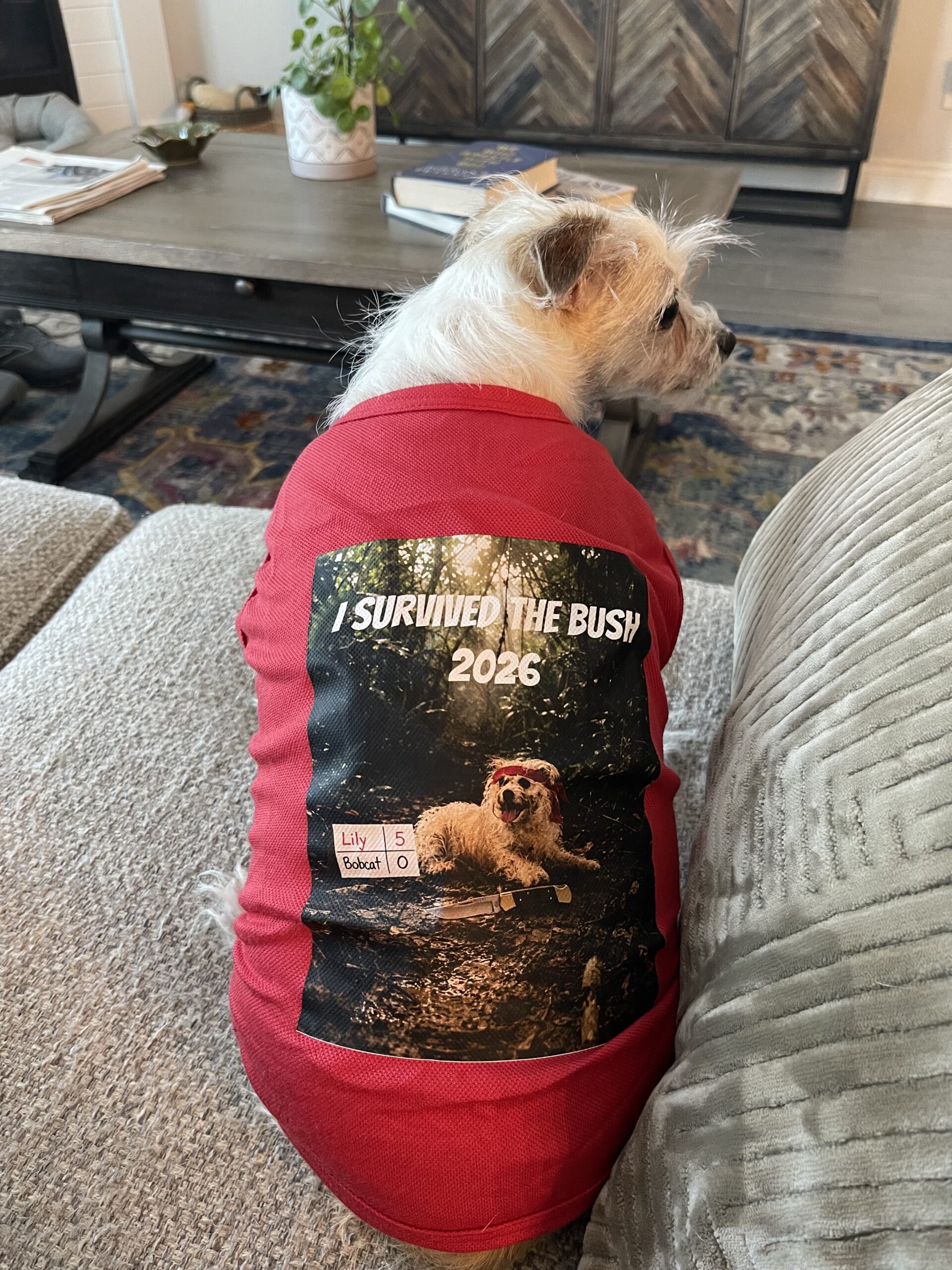
There are few things more frightening than realizing your beloved dog is missing. But what I learned during four exhausting days searching for my little Lily in the Texas woods was something I never could have anticipated. Sometimes, everything your heart tells you to do to save your dog is exactly what you shouldn't do.
This is Lily's story, but more importantly, it's what I learned from the extraordinary people who helped bring her home. My hope is that sharing our experience might help someone else facing the same terrifying situation.

It Started Like Any Other Evening
On Wednesday evening, July 15, 2026, around 9 p.m., we let our six dogs outside for their final potty break before bedtime. Everyone seemed to come back inside, and we began our usual bedtime routine, complete with treats. That's when we realized Lily was missing.
Lily is a tiny, 10-pound, nine-year-old terrier mix whom I rescued four years ago. She's always been a cautious little dog. In fact, for a long time I was the only person she truly trusted. It took my husband nearly a year to earn her confidence.
We immediately began searching the neighborhood, assuming she had somehow slipped beneath the fence or through a gate. We drove, walked, called her name, and searched for hours. As the night wore on, I tried to reassure myself that someone must have found her and taken her inside. But by dawn, there was still no Lily.
I began putting up flyers and posting notices on our neighborhood's Facebook page. Before long, someone called with a sighting just a block or two from our home. I rushed over, relieved that she was so close. But the gentleman who spotted her had tried to catch her, and Lily had run into a nearby field. Then he saw her disappear into the woods.
When I reached the tree line, my heart sank. The woods seemed to stretch endlessly toward the lake. The undergrowth was thick, much of it thigh-high, and there was no clear path through it. Still, I wasn't panicking. Not yet. I thought, she's my dog. She knows my voice. She trusts me. Surely she'll come when I call.
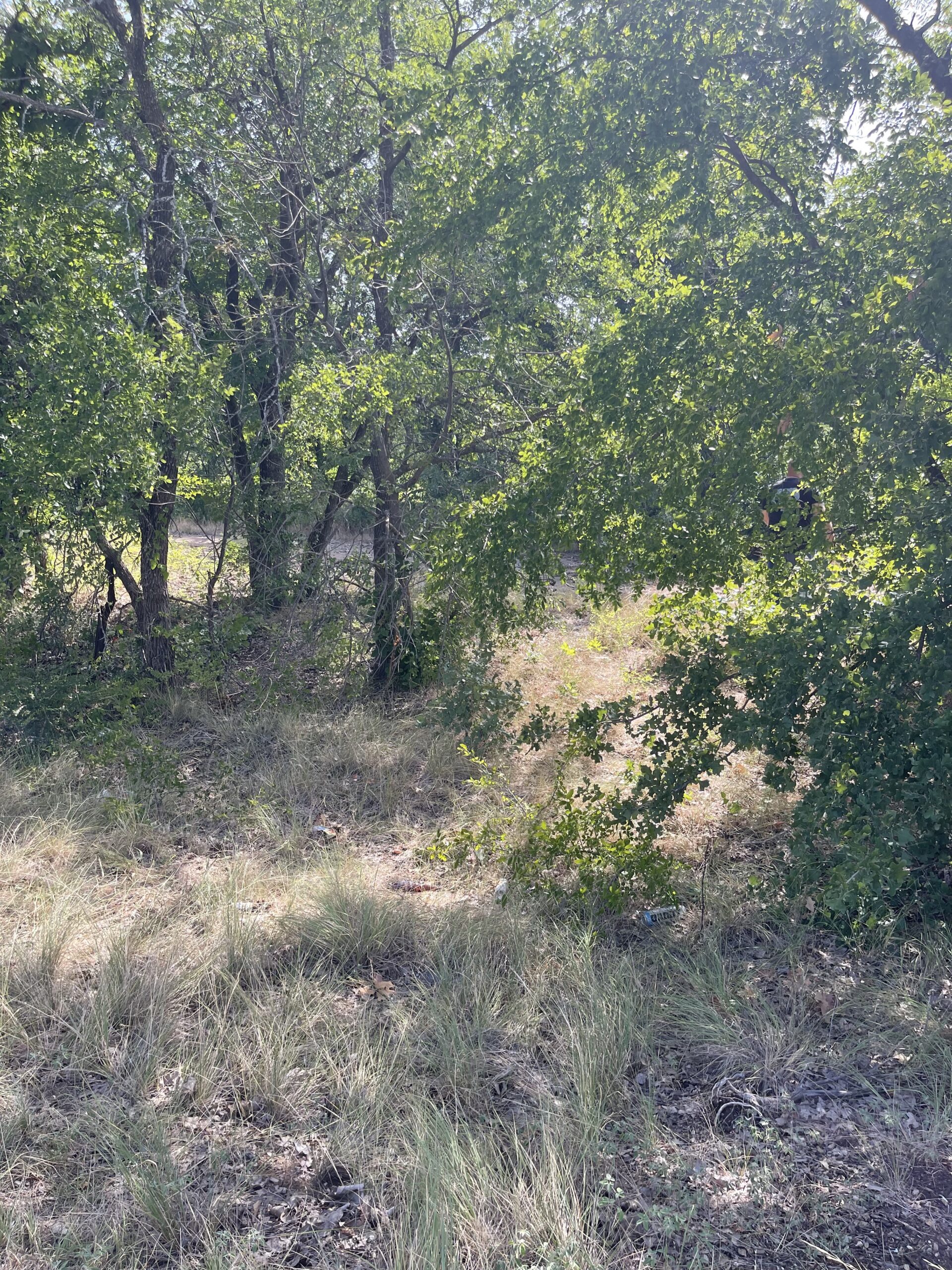
My son joined me, and together we walked through the brush calling Lily's name. I didn't realize it then, but we were likely making our situation worse.
When a Frightened Dog Stops Acting Like Your Dog
That first day, I contacted Mutts & Mayhem Emergency Search and Rescue for advice. Selena, who helped guide us through the ordeal, explained that frightened, displaced dogs can enter a state rescuers often call "survival mode." In this heightened state of fear, even a normally affectionate, obedient dog may flee from familiar people, including the very person they love and trust most.
Selena's advice was simple: establish a feeding station with food, water, and something carrying familiar scents, such as Lily's bed or blanket. Then back away and give her the opportunity to return without feeling pursued. We set up the feeding station and installed a trail camera so we could monitor it without having to be physically present.
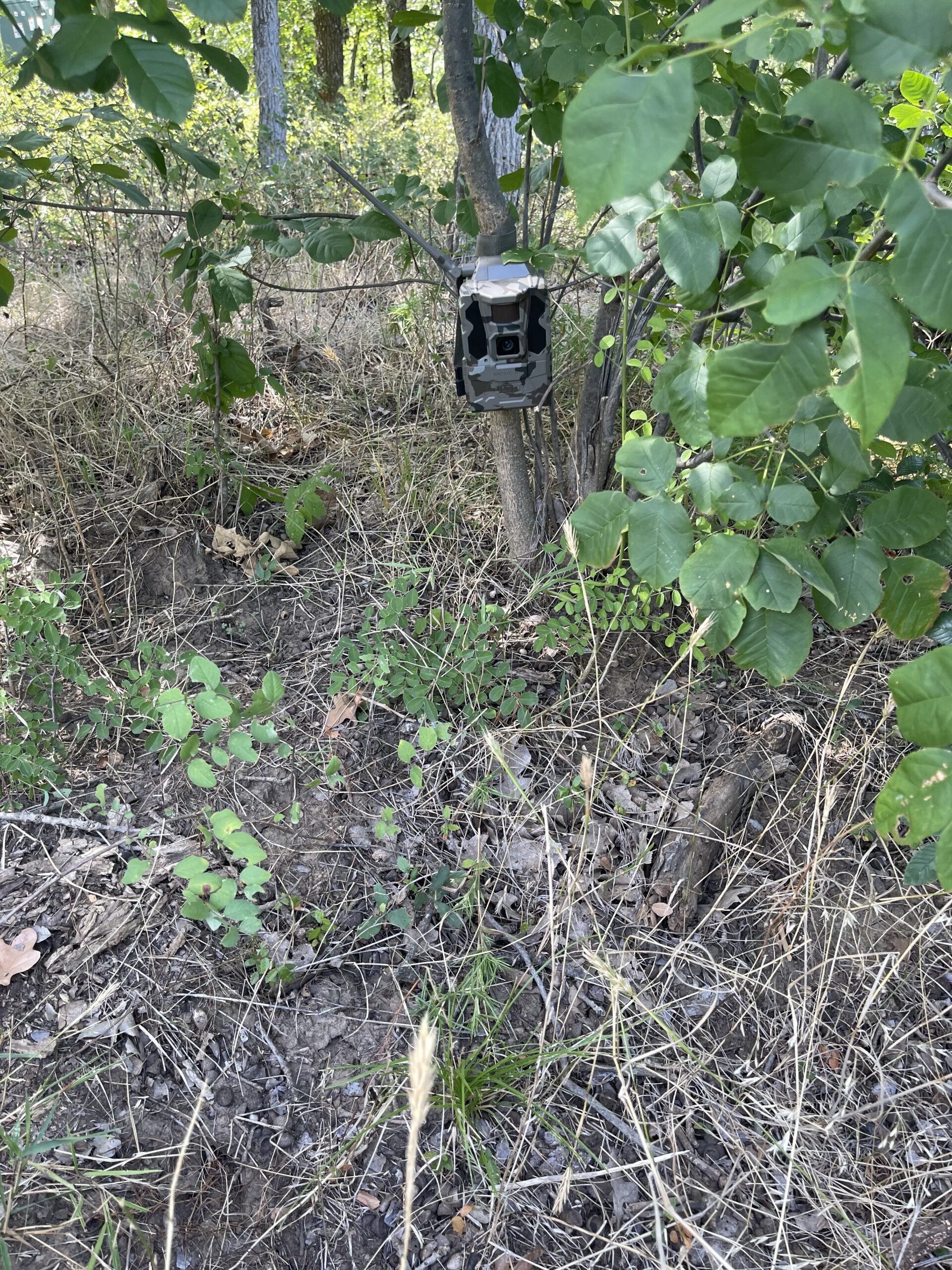
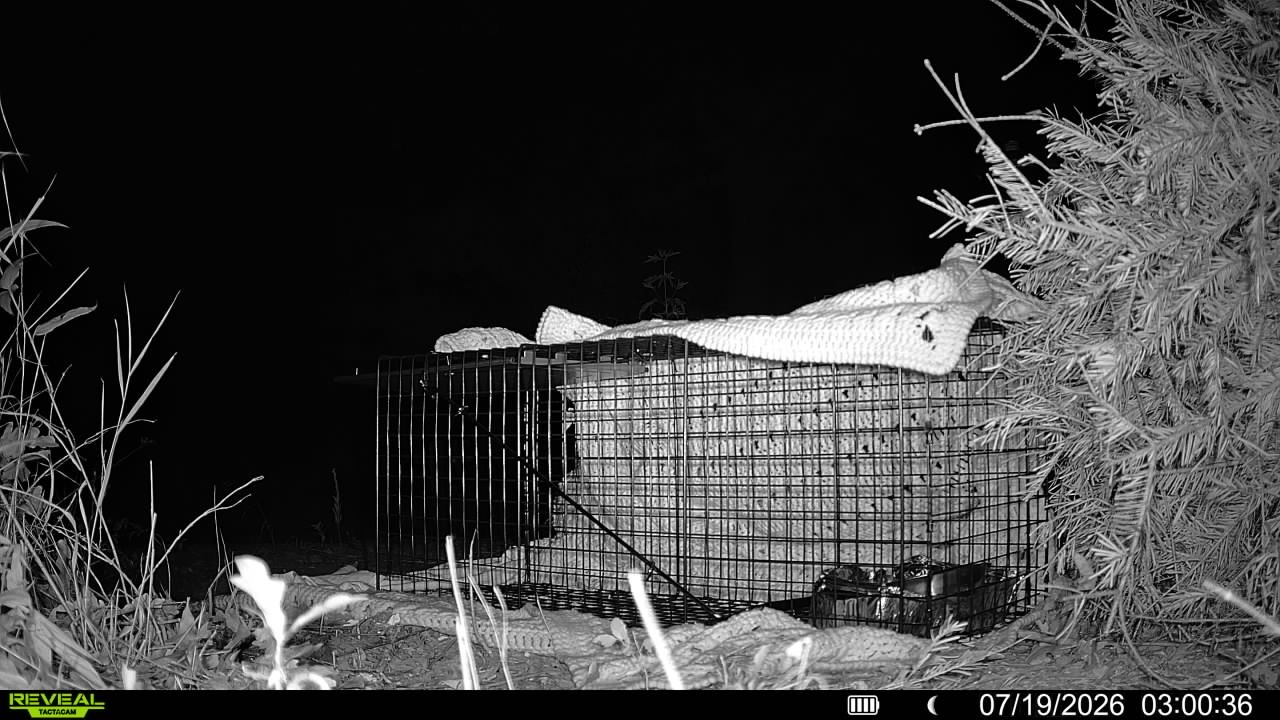
It made sense intellectually, but emotionally, that was another matter entirely. How could I possibly stay home in my air-conditioned house while my tiny dog was somewhere in those woods in the middle of a Texas July? I kept going back. I kept looking. I kept calling her. I couldn't help myself. And Selena kept reminding me that my presence and constant searching might be pushing Lily farther away from the very place we wanted her to return.
The Longest Nights of My Life
That first night, I arranged for a thermal-imaging drone operator to search the woods. Drew, from Night Owl Thermal Re-Con in Fort Worth, traveled all the way to Little Elm to help us. I had such high hopes. Surely technology would find what our eyes couldn't see.
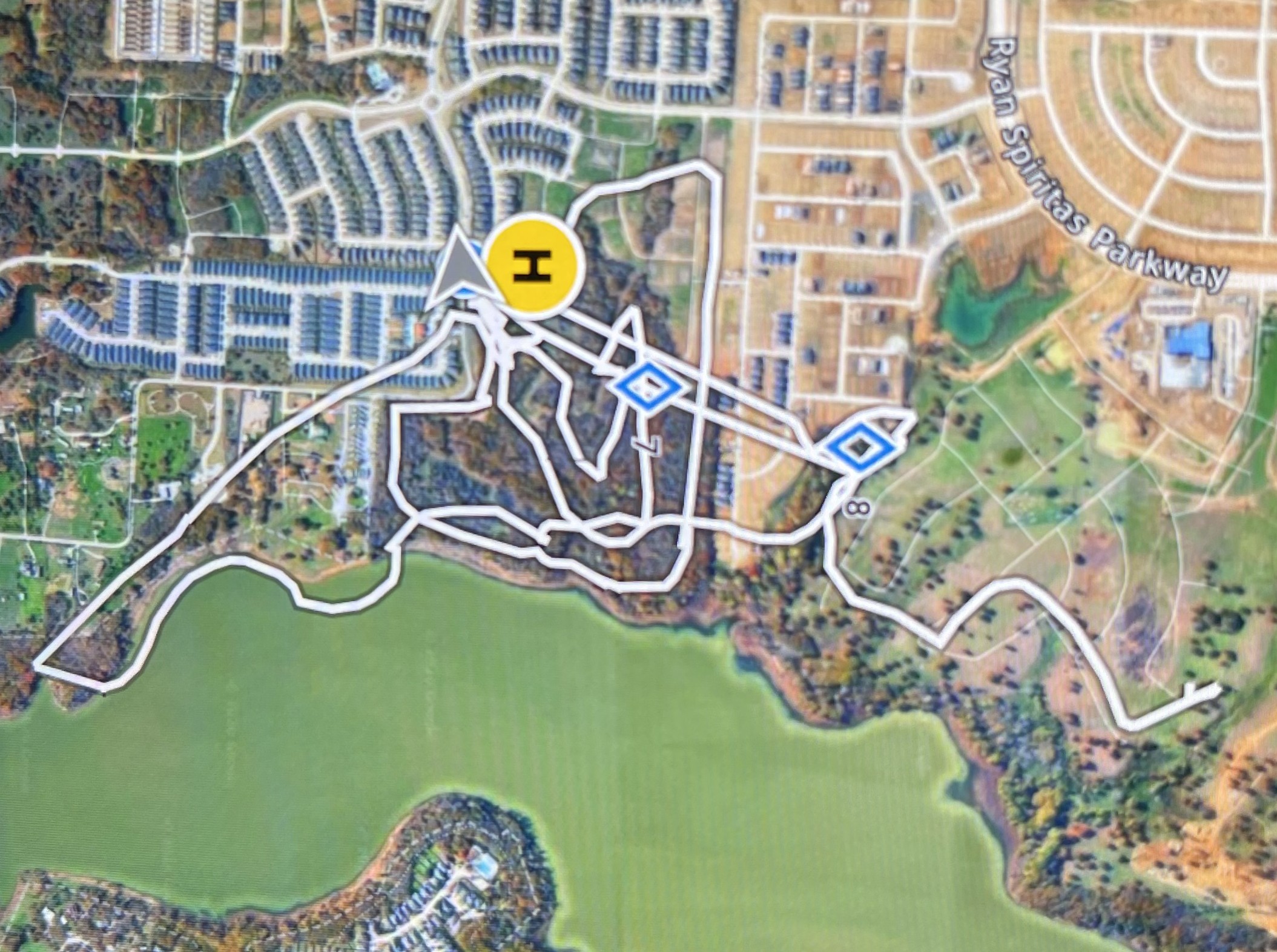
But thermal imaging has limitations, especially during a Texas summer. The ground and vegetation retain heat, making it difficult to distinguish a small animal from its surroundings, particularly if that animal isn't moving. Unfortunately, Drew wasn't able to locate Lily that night.
I remember thinking that the uncertainty was almost unbearable. As awful as it sounds, even finding Lily's little body would at least have given me an answer. But not knowing whether she was hurt, frightened, thirsty, or even alive was agony. The only small comfort was that Drew hadn't spotted any predators that night, just a deer and a couple of rabbits.
Twenty-four hours had passed, and the feeding station remained untouched. How could a 10-pound dog survive without food and water in this heat? Every passing hour seemed to make her chances of survival less likely, but giving up was never an option for me. I was going to find Lily, no matter how long it took or what I had to do.
By Friday, I had located a professional K9 tracker, Kimberly Johnson of K9 Trackers, but she couldn't get to us until Saturday. We were left waiting, posting flyers, searching neighborhoods, and praying. Selena from Mutts & Mayhem continued encouraging me to stay away from the woods, while I continued struggling to follow that advice. Every hour felt critical, and I felt helpless doing nothing when I knew Lily was out there somewhere.
A Sighting, a Bobcat, and Renewed Hope
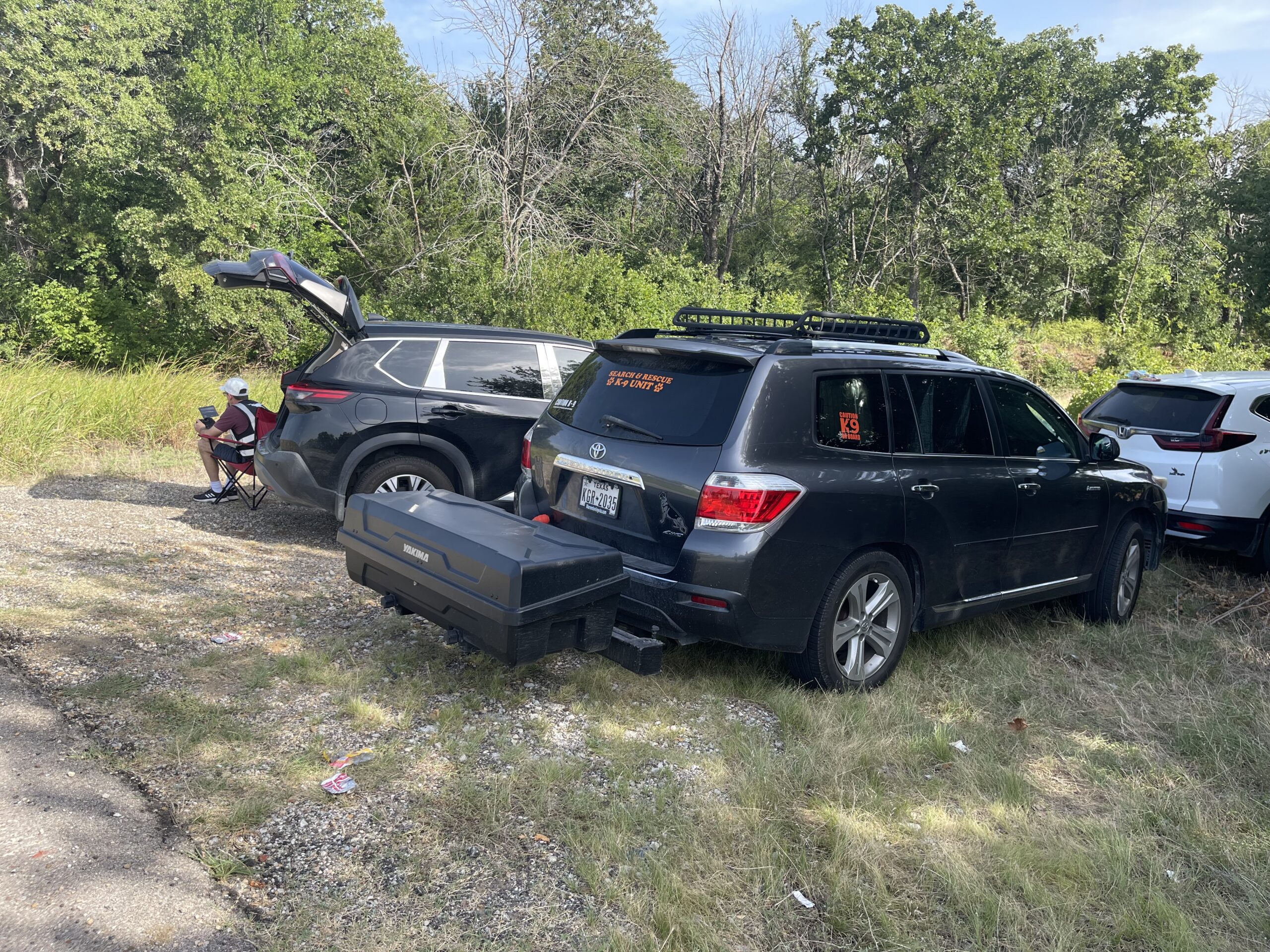
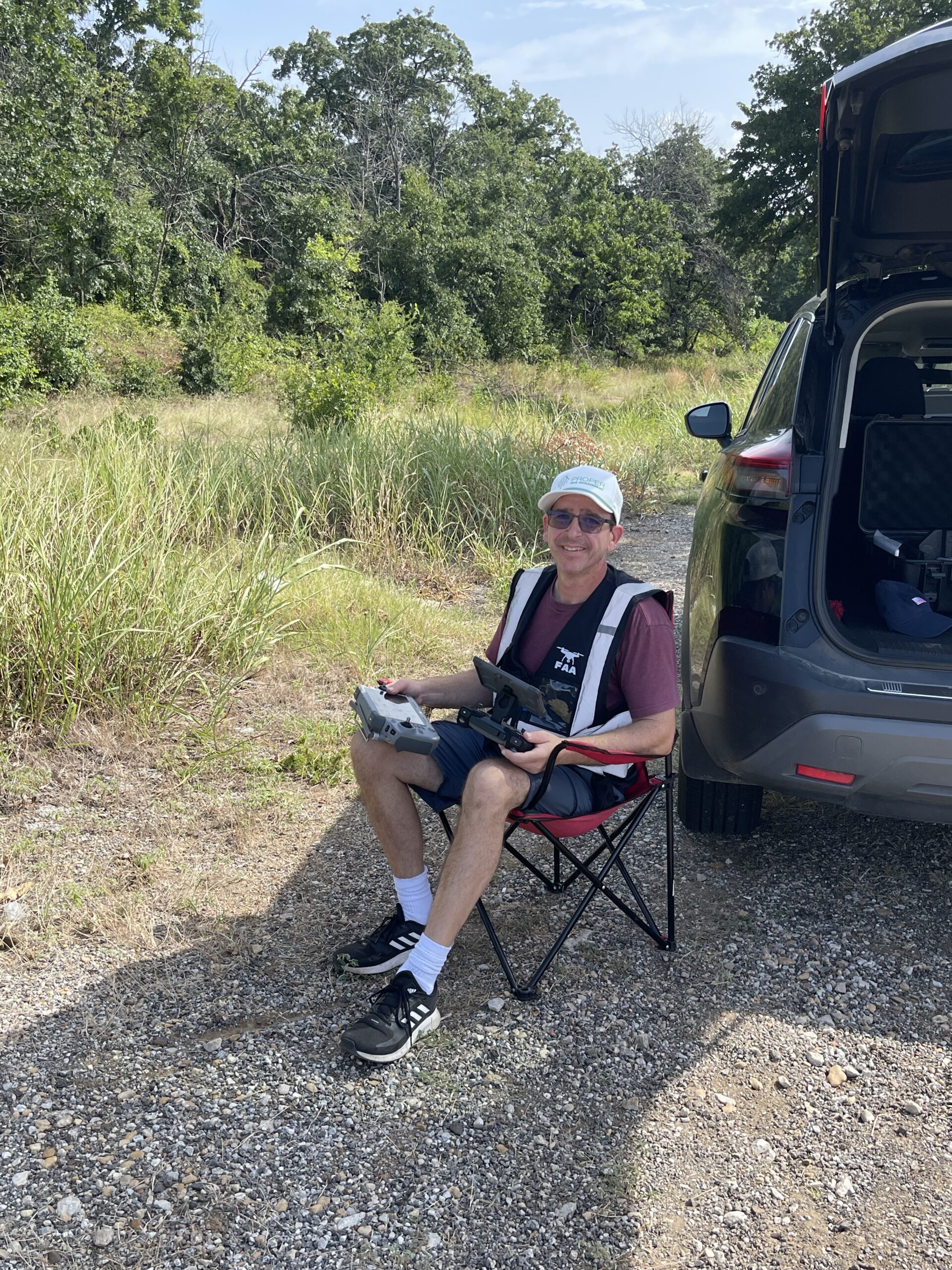
Fortunately, we found another thermal drone operator who lived nearby: Chris Aldrigde of Level Up Aerial Imaging. Chris came out Friday evening and flew his drone until the batteries were exhausted. His determination to find Lily was remarkable.
Then we received a phone call. Someone had seen Lily walking along a road earlier that day, about a mile from where she originally entered the woods. Unfortunately, they hadn't reported the sighting until hours later. We had been searching in the wrong area. Armed with this new information, Chris adjusted his flight path to search closer to where she had been seen.
Then came another frightening discovery. A bobcat was spotted in the area.
My heart sank again. Lily was a tiny dog, alone in the woods for nearly three days. How could she possibly defend herself? But at least we had something we hadn't had before: a direction, a possible location, and a reason to hope.
Proof of Life!
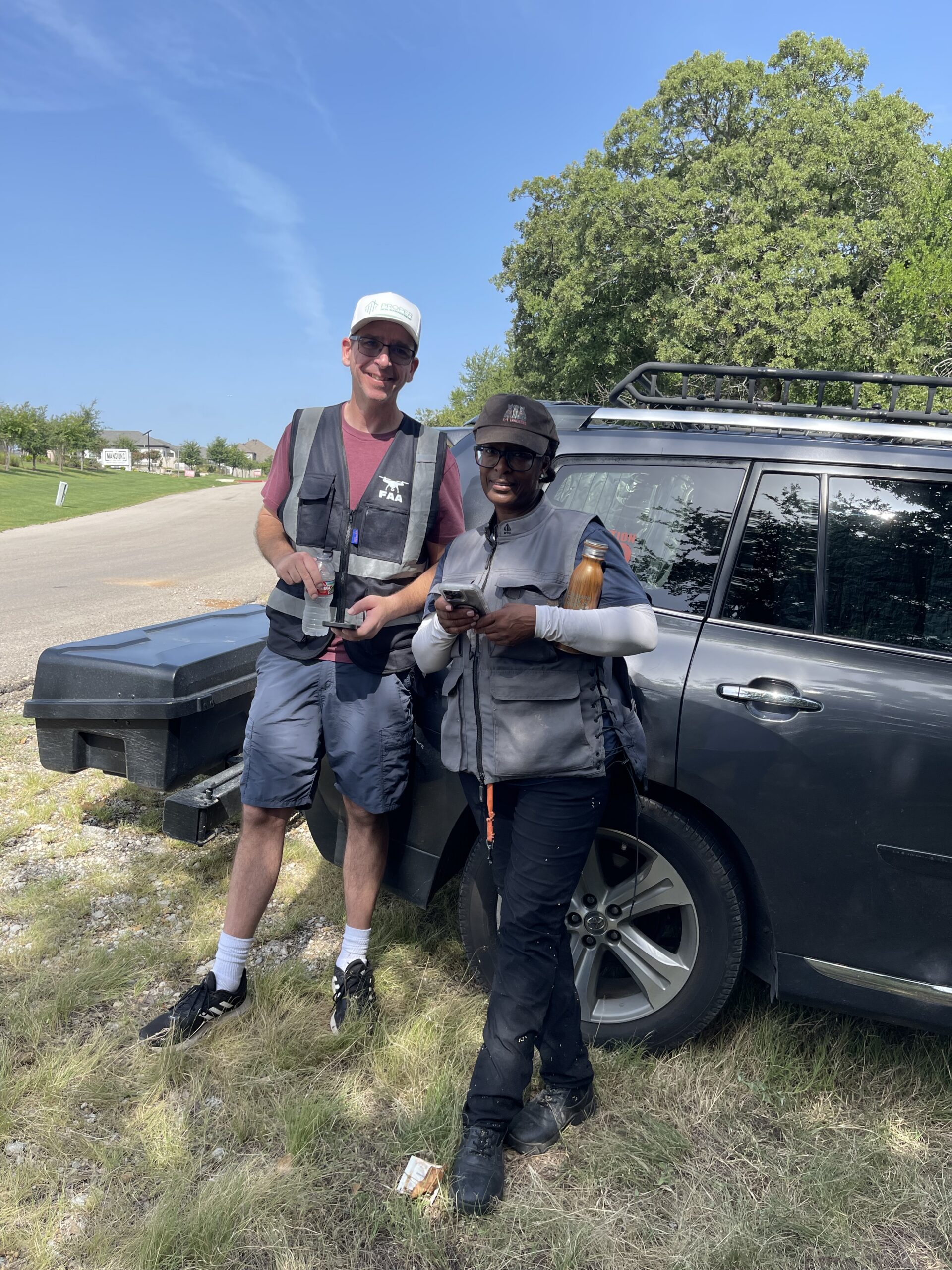
Saturday morning brought Kimberly Johnson and her two trained tracking dogs. Chris returned with his drone to assist. Just as Chris began flying over the newly identified area, he spotted Lily walking up the road! She saw him and immediately fled back into the woods.
But I didn't care that she ran. Lily was alive! After days of fearing the worst, we finally had proof that our little girl was still out there.
I had brought Lily's collar and blanket for the tracking dogs to smell. Kimberly's dogs picked up her scent and began following her trail, helping establish an area where Lily had been traveling. I thought this was it. Surely we were about to get her back. But Kimberly cautioned me that it could go either way. Lily might stop and allow an approach, or she might become frightened and retreat farther into the woods.
She chose the woods. Again.
I was devastated. My son and daughter-in-law had been with me every step of the way. We were exhausted, sleep-deprived, covered in insect bites, and emotionally drained. How much longer could this go on? Yet I knew one thing with absolute certainty: I wasn't going home without Lily. I would keep searching, keep asking for help, and keep doing whatever was necessary until she was safely back in my arms.
And I couldn't help marveling at Lily's determination. This tiny, scruffy terrier had survived for days in the Texas wilderness. Somehow, she was still moving, still fighting, still finding a way to survive.
Kimberly encouraged us not to give up. Now that we had a better idea of Lily's movements, we could strategically place humane traps and additional trail cameras. We had used a trail camera at our original feeding station, but now we set up more cameras that transmitted images directly to my phone. Following Selena's advice, we stepped back and monitored them remotely.
For once, we stopped chasing Lily and tried to let her come to us.
The Moment Everything Changed
On the fourth morning, just before dawn, we returned to the area near the woods. We had monitored the trail cameras through the night. Nothing had entered the traps, not even a raccoon. I was discouraged, but I wasn't ready to give up. I never would have given up on Lily.
Kimberly had suggested bringing one of Lily's canine companions to the area. Sometimes, a frightened dog may respond to another familiar dog before responding to its human family. So I brought Sophie, our Great Pyrenees.

There we were, sitting in the car near the woods, waiting. Then something happened that I will never forget. Out of the woods, onto the road, walked Lily. My Lily. She was battered, exhausted, and clearly had been through an ordeal, but she was alive.
I quietly opened the car door, got Sophie out, and began walking toward her. The moment Lily saw us, she turned and ran back into the woods. My heart nearly broke. But just before disappearing, she paused and looked back.
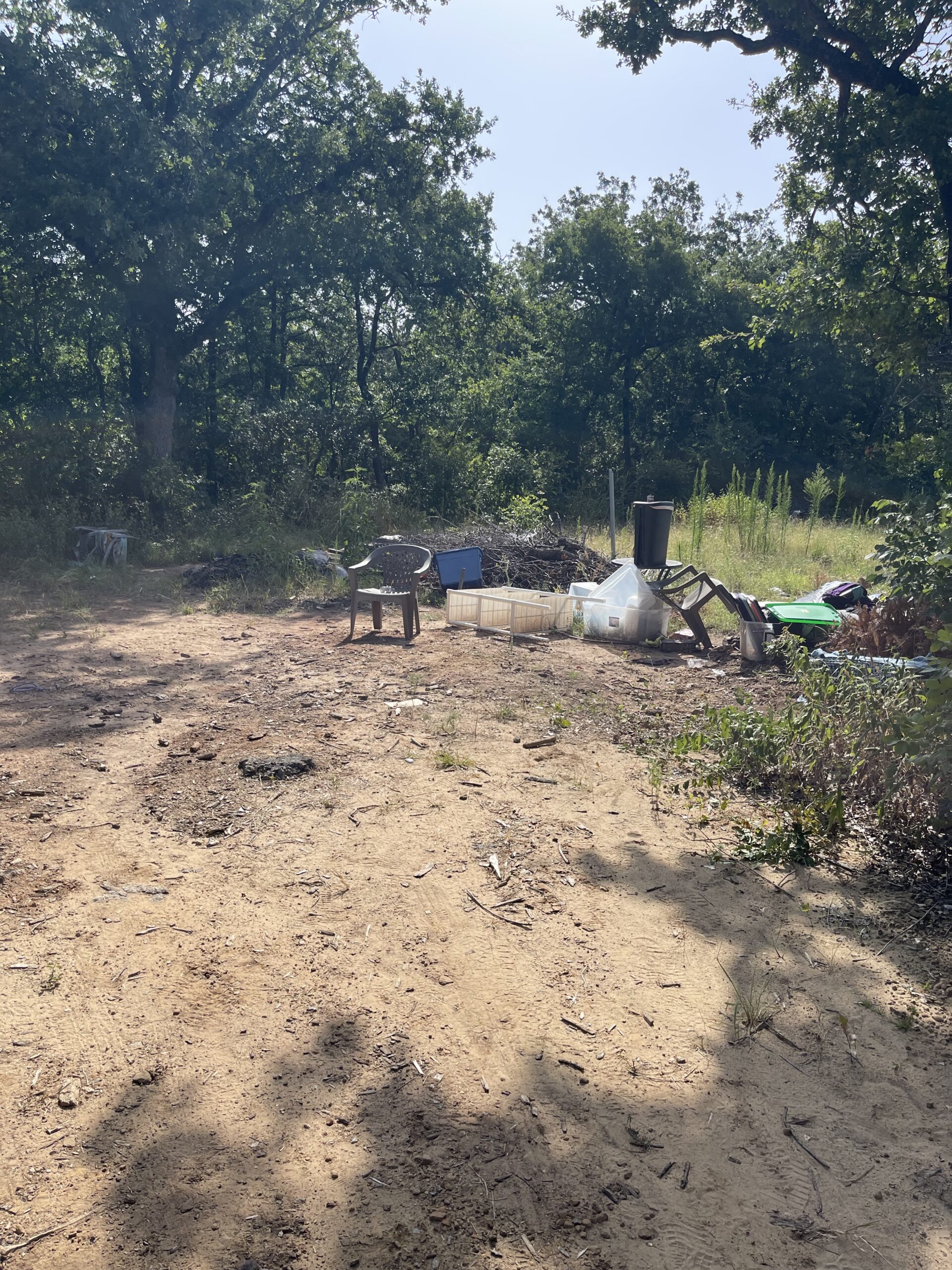
Remembering everything the experts had told me, I resisted the overwhelming urge to run after her. Instead, I walked with Sophie into the clearing, got as low to the ground as I could, and lay down quietly. And waited.
Nearly half an hour passed. At one point, I cautiously peeked up and saw Lily watching us through the brush. I didn't move. Then I noticed Sophie wagging her tail. She had seen Lily, too. Still, I didn't move.
And then, almost unbelievably, Lily began walking toward us. Slowly, cautiously, she approached. And suddenly, there she was, tail wagging, licking us like crazy, greeting us as though she had finally remembered exactly who we were.
She had come back to us on her own terms, in her own time.
I finally gathered her into my arms. After four days of fear, exhaustion, and uncertainty, I was holding my little dog again. I can hardly describe that moment.
Home at Last
We immediately took Lily to an emergency veterinary hospital, where she was treated for dehydration, numerous insect bites, and a tick infestation. Considering everything she'd been through, she was doing remarkably well.
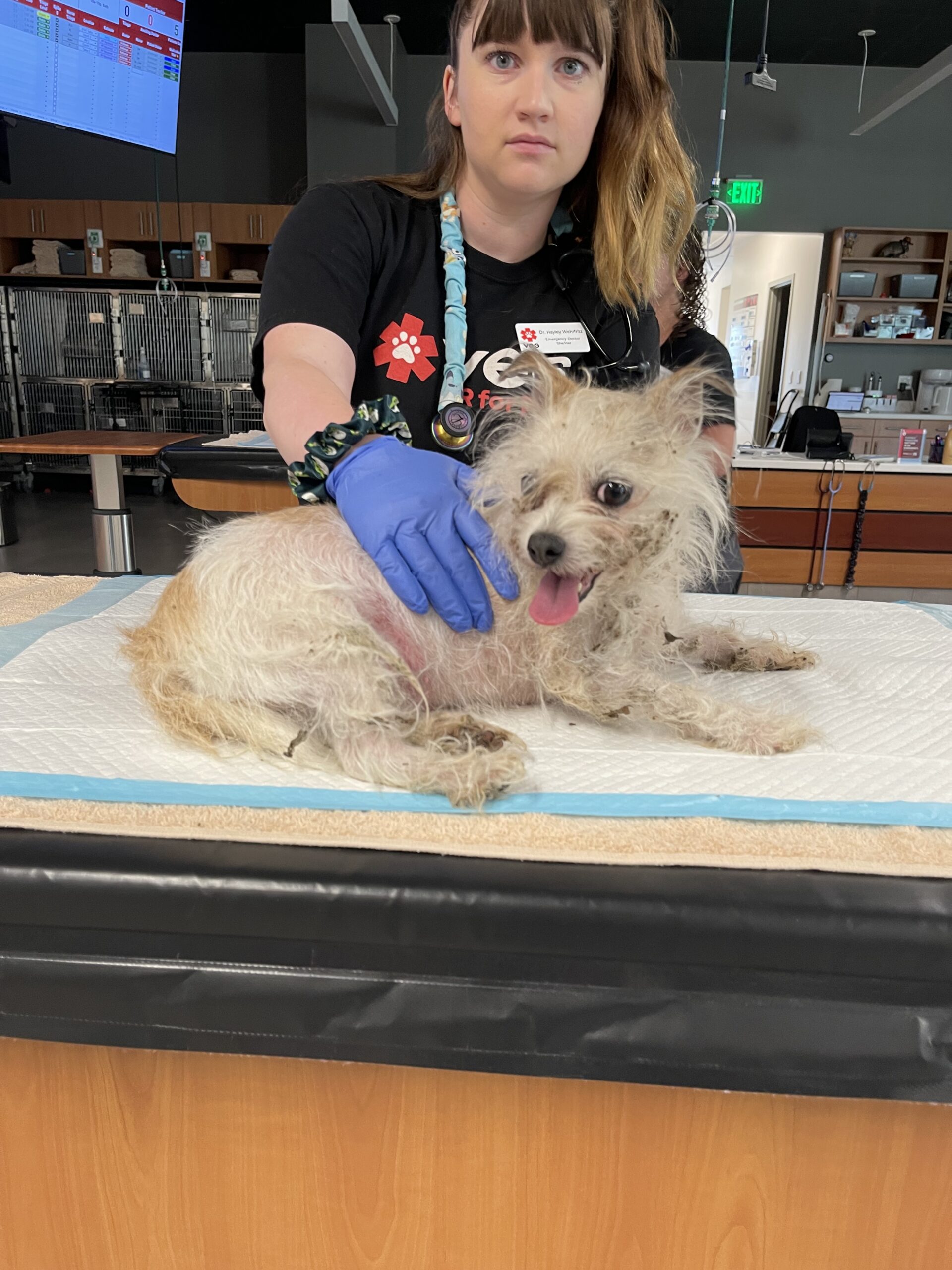
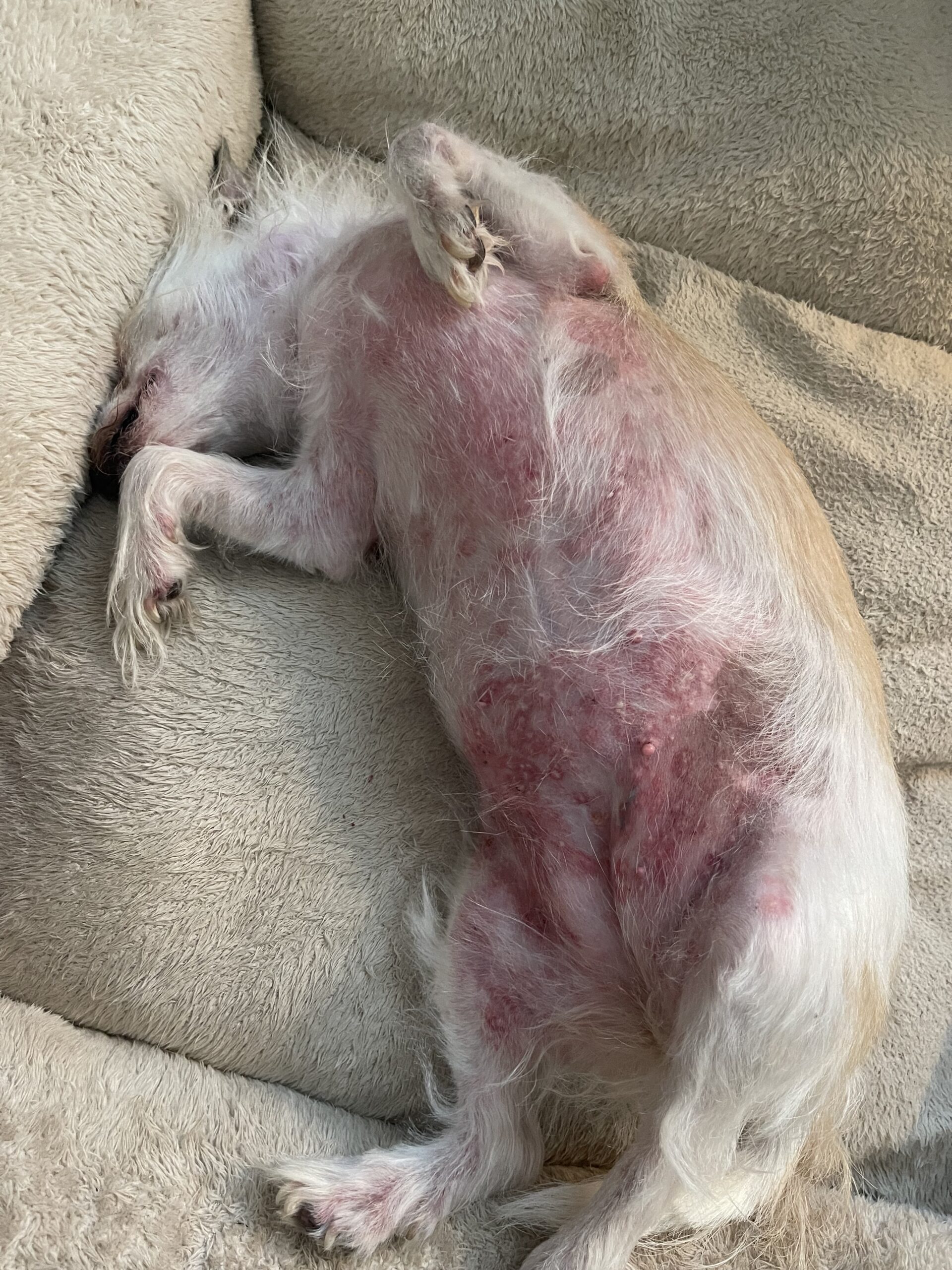
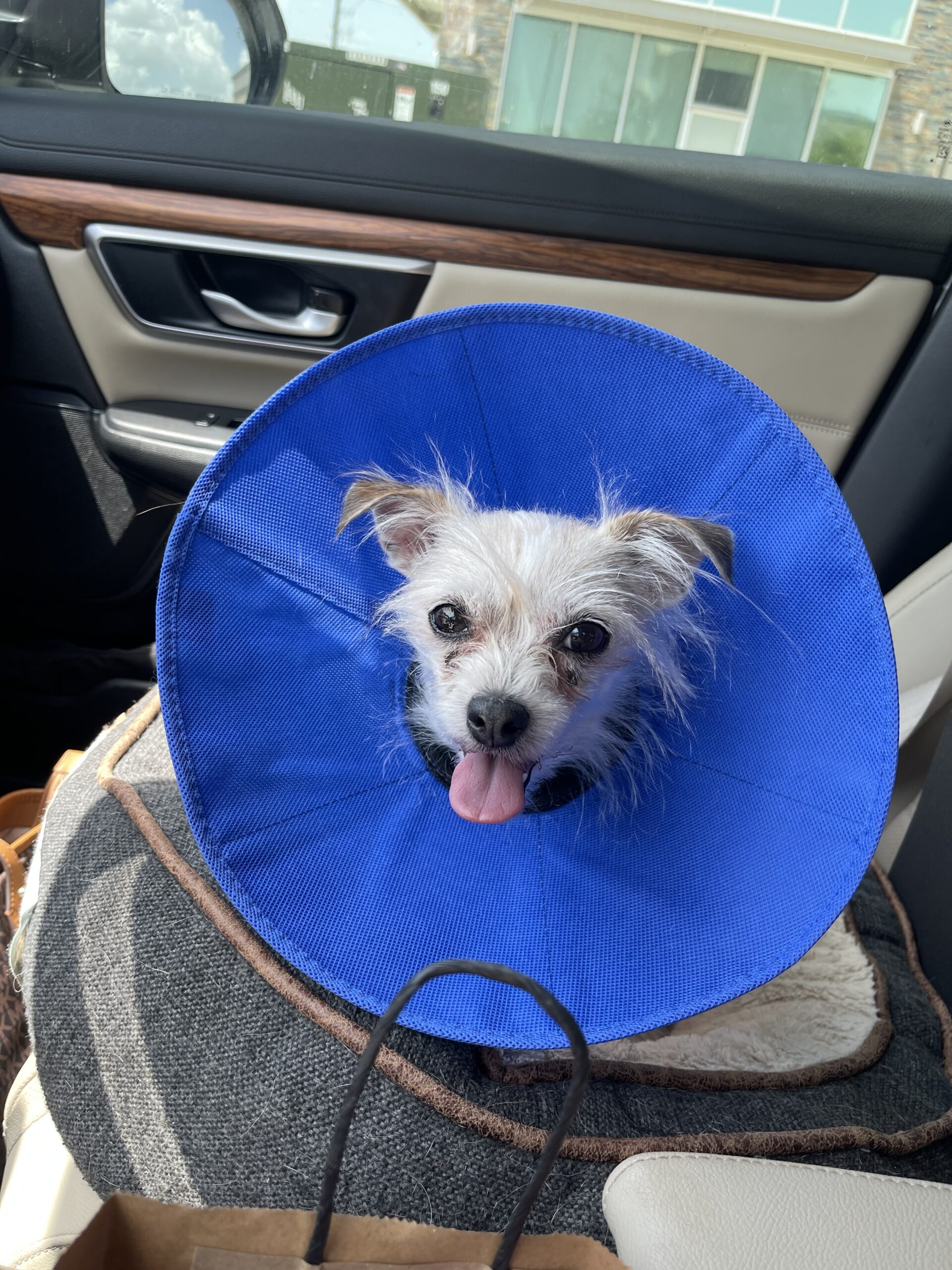
And so, thankfully, our story had a happy ending. But I came away from those four days with a completely different understanding of what it means to search for a lost dog.
What Lily Taught Me
If there's one thing I want other pet owners to take away from our experience, it's this: When your dog is frightened and lost, don't assume that love, familiarity, or the sound of your voice will overcome their fear.
I knew Lily loved me. I knew she trusted me. And I was convinced that if I could just get close enough, she would come running into my arms. I was wrong.
The experienced rescuers told me what to expect, and Lily behaved almost exactly as they predicted. She fled from strangers. She fled from the drone operator. She even fled from me. And our relentless efforts to find her may have been driving her farther into danger.
What finally brought Lily home wasn't chasing her through the woods. It was learning to understand her behavior, following professional guidance, and finding the patience to let her feel safe enough to approach.
I also learned the importance of having a coordinated search effort. Timely reports of sightings, trail cameras, feeding stations, trained tracking dogs, thermal drones, and humane traps can all be valuable tools when used appropriately. But perhaps the most important resource of all is the knowledge of people who understand the behavior of lost, frightened animals.
Listen to the experts. Even when their advice goes against every instinct you have.
And one more thing: never confuse stepping back with giving up. Sometimes the best thing you can do is stop physically searching and begin working smarter, using the tools and guidance that give your dog the best chance of coming home. I never stopped looking for Lily. I simply had to learn a different way to bring her home.

A Heartfelt Thank You
I cannot conclude Lily's story without expressing my profound gratitude to everyone who helped us.
To Selena at Mutts & Mayhem, thank you for your patient guidance and for continuing to remind me that Lily's fear, not my desperation, needed to guide our decisions.
To Kimberly Johnson and her remarkable tracking dogs, thank you for your expertise, your encouragement, and for helping us understand where Lily had been traveling.
To Chris Aldrigde of Level Up Aerial Imaging and Drew of Night Owl Thermal Re-Con in Fort Worth, thank you for the many hours you devoted to searching for one tiny dog.
To my son and daughter-in-law, who never left my side through the exhaustion, worry, heat, and endless searching, I cannot thank you enough.
And to our neighbors, friends, and the many people who shared Lily's photograph, watched for her, called with sightings, and prayed for her safe return, you gave us hope when we needed it most.
I will never forget that kindness.
Today, when I look at Lily curled up comfortably at home, it's difficult to believe what that little dog survived. She's only 10 pounds, but I have never known a tougher little fighter.
And I will never forget the lesson she taught me:
Sometimes, the greatest act of love is having the patience to be still.
If Your Dog Goes Missing: What I Wish I'd Known
Every missing-dog situation is different, but these are some of the most valuable lessons from Lily's search.
- Act quickly, but don't create a chase. Notify neighbors and share photographs, but ask people to report sightings rather than approach, pursue, or attempt to catch a frightened dog.
- Contact experienced lost-dog recovery professionals early. They can help determine an appropriate strategy based on your dog's temperament, location, and behavior.
- Document sightings immediately. Record the exact location, time, direction of travel, and behavior. A delayed sighting report can mean valuable lost time.
- Ask about feeding stations and trail cameras. When appropriate, these may help establish where a dog is returning and allow monitoring without repeated human disturbance.
- Use specialized resources thoughtfully. Tracking dogs, thermal drones, and humane traps can help, but each has limitations and works best as part of a coordinated plan.
- If you see your frightened dog, resist the urge to chase. Follow guidance suited to the situation. A quiet, nonthreatening posture and allowing the dog to approach voluntarily may be safer than pursuing them.
- Never give up hope. Lily survived four days in the Texas woods. Her story is a reminder that even when the outlook seems impossible, a safe recovery may still be possible.
Lost-Dog Recovery Resources
- Mutts & Mayhem Emergency Search and Rescue — Selena: Lost-dog behavior guidance, recovery strategies, and humane capture. muttsandmayhem.org
- K9 Trackers — Kimberly Johnson: Professional scent-tracking assistance. k9trackers.com
- Level Up Aerial Imaging — Chris Aldrigde: Thermal drone search assistance. levelupimaging.com
- Night Owl Thermal Re-Con — Drew, Fort Worth: Thermal drone search assistance. nightowlthermalrecon.com
- Duck Team 6 Street Dog Rescue: duckteam6.org
- Trail Camera Tactacam Reveal Pro 4.0: View the trail camera