
⛑️🐾 Pet First Aid Awareness:
What Every Pet Family Should Know
What Every Pet Family Should Know
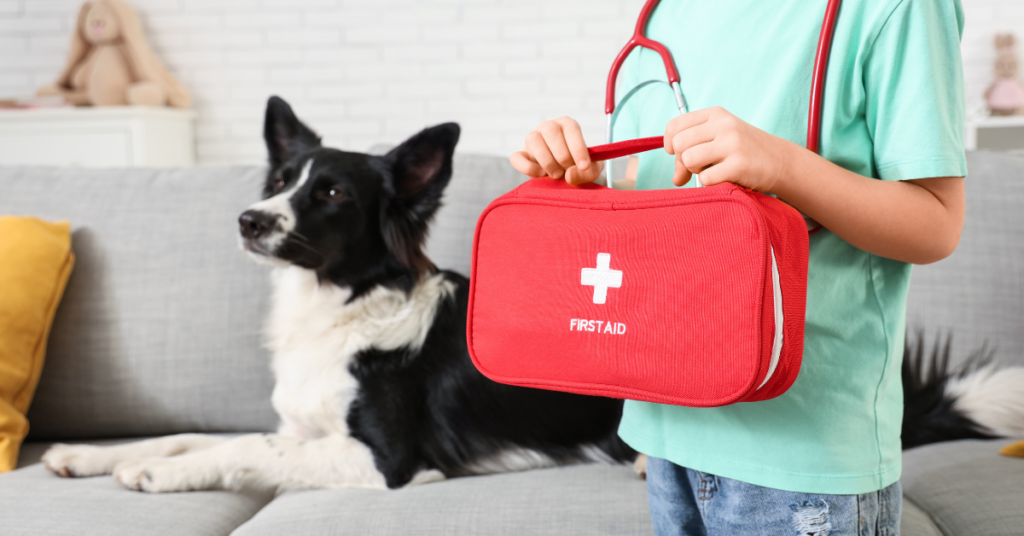
Being prepared for the unexpected doesn’t have to be complicated. Pet First Aid Awareness Month is the perfect reminder to build a few simple habits that can make a big difference when your pet needs help. Here’s a quick, practical guide to get you started.
Know the Signs of Common Emergencies
Understanding early warning signs helps you act quickly and calmly.
- Trouble breathing or excessive panting
- Sudden swelling (especially face or paws)
- Vomiting or diarrhea that appears suddenly
- Limping or favoring a limb
- Extreme lethargy or collapse
If something feels “off,” trust your instincts and contact your veterinarian.
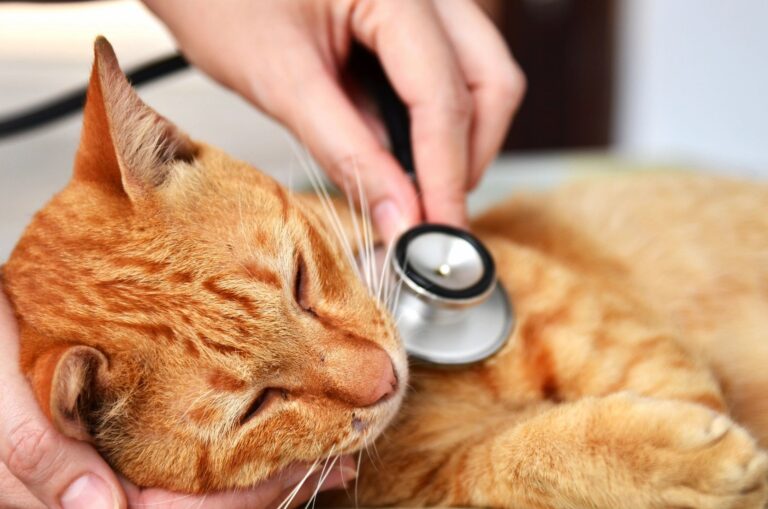
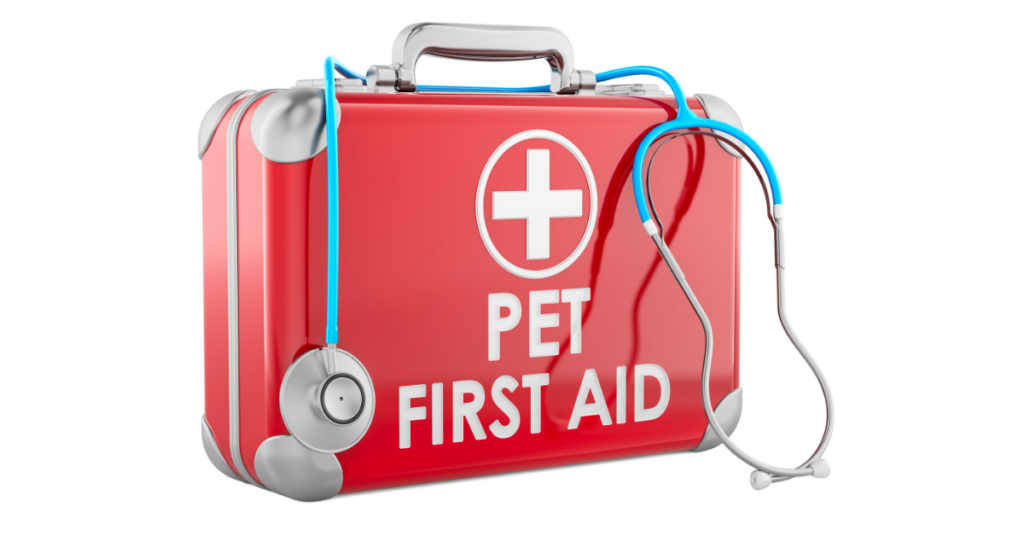
Create a Pet Friendly First Aid Kit
A small kit can help you stabilize minor issues until you reach a vet. Include:
- Non‑stick bandage pads and wrap
- Antiseptic wipes (pet‑safe)
- Tweezers
- Digital thermometer
- Saline solution
- Your vet’s phone number + nearest emergency clinic
Keep it in an easy‑to‑grab spot, especially during storm season.
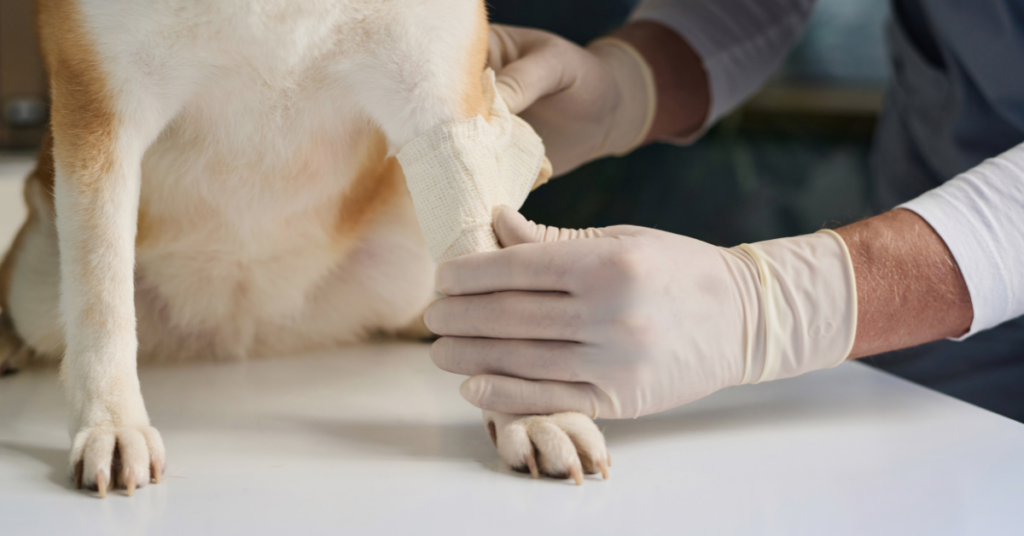
Learn How to Handle Minor Injuries Safely
A few basics go a long way:
- Apply gentle pressure to stop minor bleeding
- Flush small wounds with saline
- Keep your pet calm and limit movement
- Never use human medications unless directed by a vet
When in doubt, call your veterinarian for guidance.
Practice Safe Transport
If your pet needs urgent care:
- Use a towel or blanket as a sling for support
- Keep their head elevated if they’re having trouble breathing
- Move slowly and speak calmly to reduce stress
Your calmness helps them stay calm too.

Keep Emergency Contacts Handy
Save these numbers in your phone and post them on the fridge:
- Your primary veterinarian
- Local emergency vet clinic
- Poison control hotline
Quick access saves precious time.

Pet first aid isn’t about being perfect—it’s about being prepared. A little knowledge, a small kit, and a calm plan can make all the difference when your pet needs you most.