


Poison Prevention Guide
for Pet Owners
for Pet Owners
Keeping our pets safe isn’t just about love — it’s about awareness. Every year, thousands of dogs and cats are exposed to household items that seem harmless to us but can be dangerous or even life‑threatening to them. The good news is that most poison emergencies are preventable with a little knowledge and a few simple habits.
This guide breaks down the most common risks, what to watch for, and how to protect your furry family members year‑round.
🐾 Why Poison Prevention Matters
Pets explore the world with their noses and mouths. That curiosity is part of their charm, but it also puts them at risk. Many everyday items, from snacks on the counter to plants on the porch, can cause serious illness if ingested.
Two of the most trusted resources in veterinary toxicology — the ASPCA Animal Poison Control Center and the Pet Poison Helpline — report that the majority of poison exposures happen right at home. Awareness is the first line of defense.
🏠 Common Household Hazards

Human Foods
Some foods are perfectly safe for us but dangerous for pets.
Top offenders include:
Chocolate
Grapes and raisins
Xylitol (found in sugar‑free gum, peanut butter, and baked goods)
Onions and garlic
Alcohol
Tip: Keep snacks out of reach and remind guests not to share table scraps.

Medications
Both human and pet medications can be harmful when taken incorrectly.
Risks include:
Pain relievers like ibuprofen or acetaminophen
Antidepressants
ADHD medications
Veterinary medications
Tip: Treat pet meds like human prescriptions: secure, labeled, and out of reach.

Plants & Flowers
Many popular houseplants and yard plants are toxic to pets.
Common toxic plants:
Lilies (extremely dangerous for cats)
Sago palms
Aloe
Pothos
Azaleas
Tip: Before bringing home a new plant, check a trusted toxic plant list.
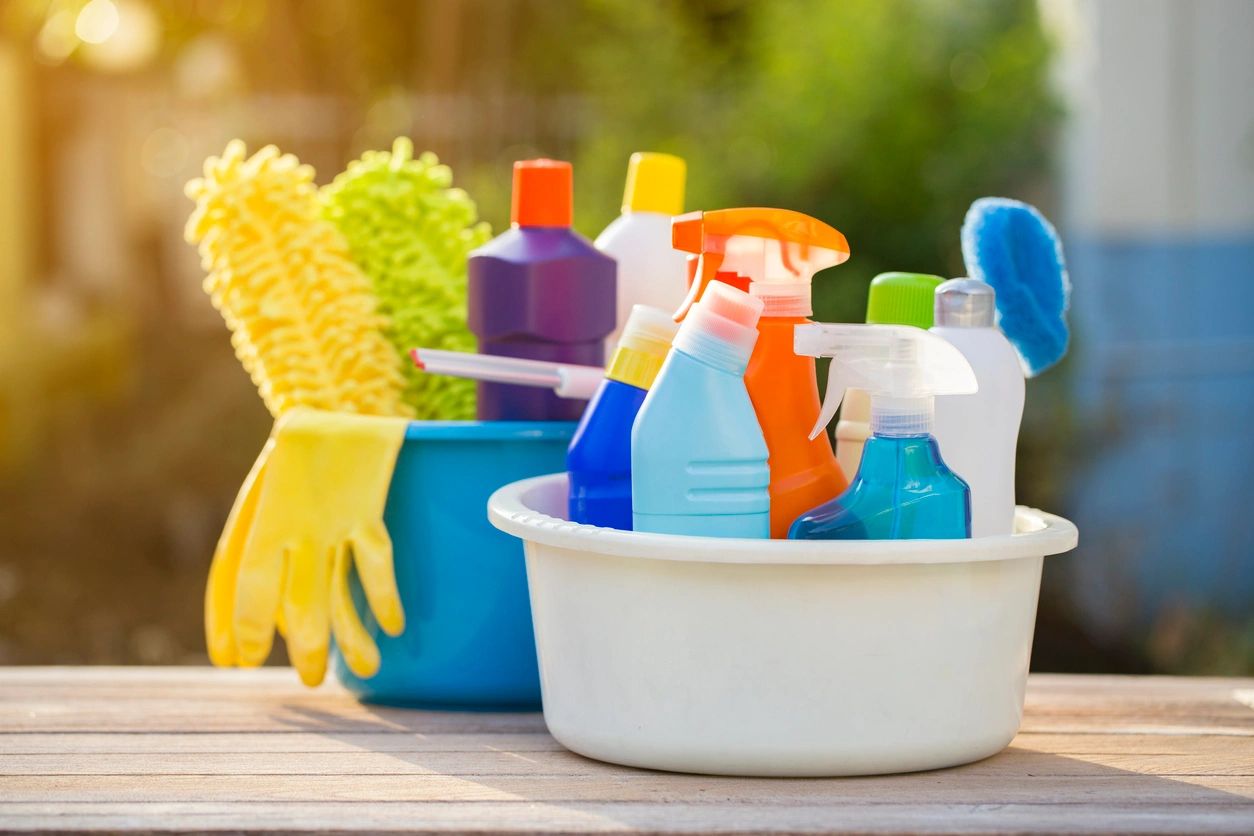
Household Products
Everyday cleaners and chemicals can cause burns, vomiting, or respiratory issues.
Watch out for:
Bleach and disinfectants
Antifreeze
Rodent poisons
Fertilizers
Essential oils (especially tea tree, eucalyptus, and citrus oils)
Tip: Store products in cabinets with child‑proof latches if you have curious pets.
⚠️ Signs Your Pet May Have Been Exposed
Symptoms vary depending on the toxin, but common red flags include:
- Vomiting or diarrhea
- Drooling
- Lethargy or Agitation
- Tremors or seizures
- Pale gums
- Collapse
If you notice any of these signs — or even suspect exposure — act quickly.
🚑 What To Do in an Emergency
- 1. Stay calm. Panic slows you down.
- 2. Remove your pet from the source (take away the plant, food, or product).
- 3. Do NOT induce vomiting unless a veterinary professional instructs you to.
-
4. Call a poison control expert immediately
-
5. Contact your veterinarian or nearest emergency clinic.
Quick action can save a life.
ASPCA Animal Poison Control Center
(888) 426-4435
Pet Poison Helpline
(855) 764-7661
(available 24/7, consultation fee applies)