
Spring Allergies & Pets:
What Every Pet Owner Should Know
What Every Pet Owner Should Know
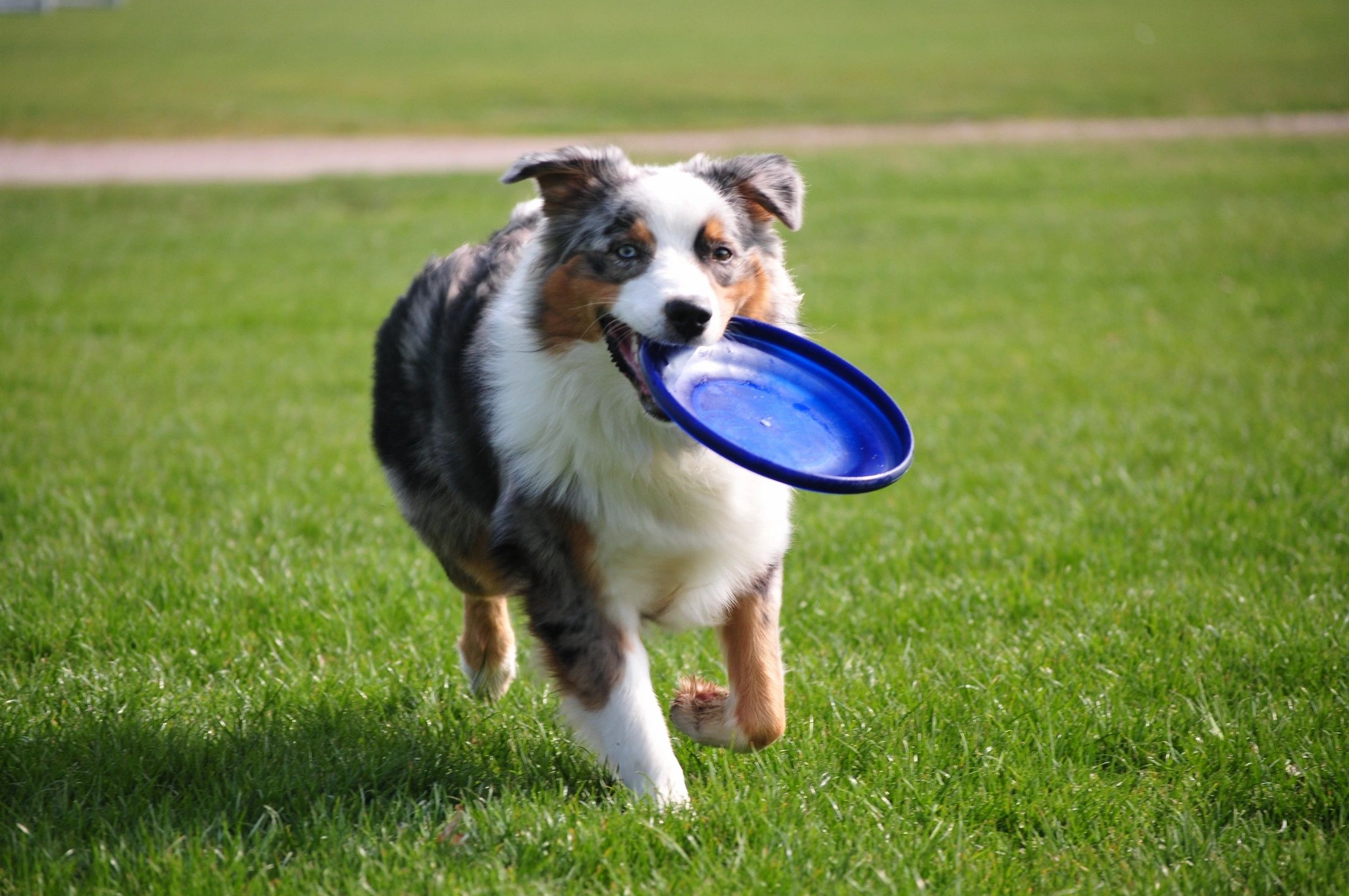
As the days get longer and North Texas starts to bloom, many of us feel that familiar tickle in the air, and our pets often feel it too. Spring brings sunshine, fresh starts, and… allergens. Lots of them. While we’re stocking up on tissues and antihistamines, our pets may be quietly dealing with their own seasonal discomfort. Understanding spring allergies is an important part of responsible pet ownership. Here’s what to watch for, how to help, and when it’s time to call in the pros.
🌿 What Causes Spring Allergies in Pets?
Just like humans, pets can react to environmental allergens that spike in spring. Common triggers include:
- Tree and grass pollen
- Mold spores (especially after rain)
- Dust and dander stirred up during spring cleaning
- Insects like fleas and mosquitoes, which become more active as temperatures rise
These allergens can irritate a pet’s skin, eyes, and respiratory system, but the signs often look different than they do in humans.
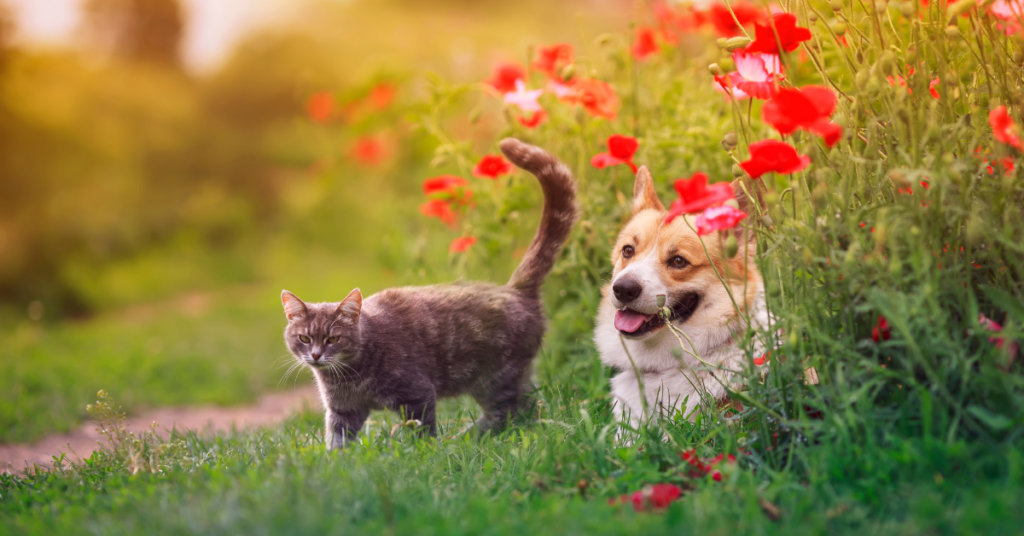
🐾 Signs Your Pet May Have Seasonal Allergies
Pets rarely sneeze their way through allergy season. Instead, they tend to show symptoms through their skin and behavior.
Keep an eye out for:
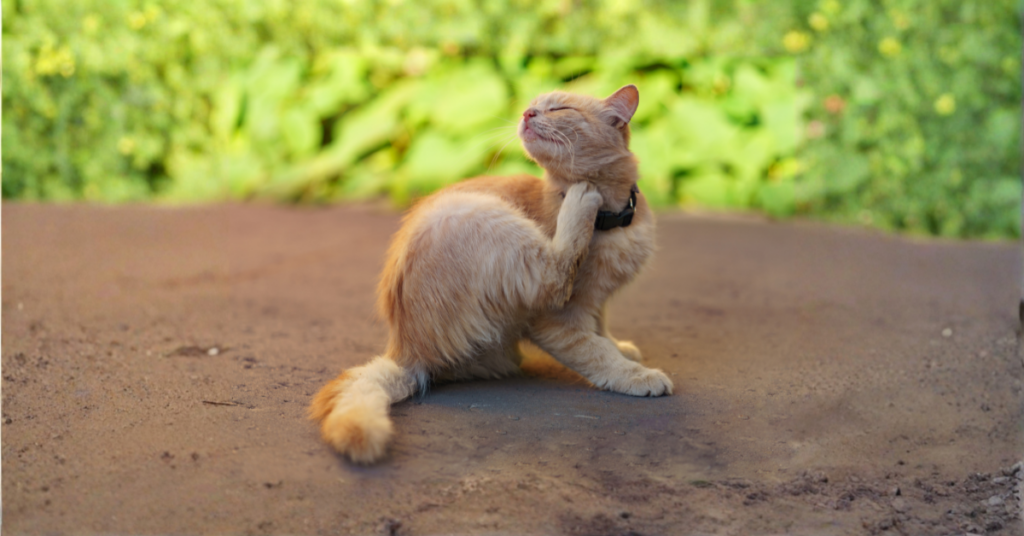
- Itching, scratching, or chewing at paws
- Red, irritated skin or hot spots
- Watery eyes or mild discharge
- Frequent ear infections or head shaking
- Licking between toes
- Scooting or rubbing against furniture
If you’re noticing these signs only in spring or early summer, seasonal allergies may be the culprit.
🌸 How to Help Your Pet Feel Better This Spring
Responsible pet care means staying proactive and a few simple habits can make a big difference.
1. Wipe Down After Outdoor Time
Pollen clings to fur. A quick wipe with a damp cloth (or pet-safe wipe) after walks helps reduce irritation.
2. Keep Bedding & Soft Surfaces Clean
Wash pet beds, blankets, and favorite spots weekly during peak allergy season.
3. Vacuum More Often
Spring cleaning isn’t just for humans. Regular vacuuming helps remove pollen and dust that settle indoors.
4. Bathe With a Gentle, Vet-Approved Shampoo
Soothing baths can calm itchy skin, bur be careful to avoid over-bathing, which can lead to dry skin.
5. Stay Ahead of Fleas & Mosquitoes
Warmer weather means pests return. Preventatives are essential for comfort and health.
🩺 When to Call the Vet
If your pet’s symptoms are persistent, worsening, or affecting their daily life, it’s time to reach out to your veterinarian. They can help rule out other causes (like food sensitivities or infections) and recommend safe treatments.
Responsible pet ownership means knowing when home care is enough and when professional help is needed.